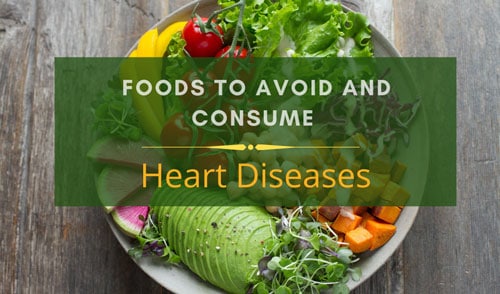
Meal prepping can help you save time, money, and improve your overall health. Meal prepping involves preparing meals ahead of time and packaging them. It is important to always have healthy food available, especially when life gets hectic. It can make it easier for you to maintain a healthy diet.
It is important to consider your lifestyle and dietary needs before you decide whether or not to start meal prepping. If you have diabetes, for example, you might want to plan several meals that are rich in fruits, vegetables, whole grains, and legumes. Consider separate containers for dressing and salads.
If you have the time, you should plan to prepare meals for several days in advance. This will allow you to eat when you are hungry, rather than going out to a restaurant or having takeout. To save time and effort, you could opt for quick-cook dishes.

A basic balanced meal should include protein, vegetables and starch. Additionally, it is important to include dairy products as well as fruit. There are many easy-to-make recipes that can be used to simplify meal prepping. These include overnight oatmeal, Shakeology, and salads.
Before you start, it is important to make a list. You should have a list of all ingredients for your recipe and a grocery list. The list should include all pantry items and ingredients for the fridge.
Food waste can be reduced by making sure meals are prepared in advance. Frozen fruits and vegetables are great for reducing prep time. Frozen fruit and vegetables are easy to prepare and can be used immediately. They also have better nutritional integrity than fresh fruits and vegetables. Frozen fruits and vegetables also have a longer shelf-life compared to their fresh counterparts.
Meal prep can be fun and rewarding. While it may seem time-consuming initially, meal prepping is a great way of eating healthier and less junk food. Moreover, a meal prep subscription can provide you with a variety of healthy options that will keep you on track.
You can meal prep for weight loss, or for health benefits. A simple plan is all you need. Start by creating a list of all the meals and snacks you will need for the week. Once you have an idea of the basics, it is possible to add more recipes to your plan.
To store your meals, you can use freezer bags and other meal prep containers. Using reliable containers will ensure that your food stays fresh and safe. You can also portion your food more accurately by using reliable containers. Additionally, extra containers are always a good idea for different temperatures.
To get started with meal prepping, set aside one week each week. You can start with simple meals or breakfasts.
FAQ
Is it possible to have a weak immune system due to being cold?
It has been said that there are two types of people on the planet: those who love winter or those who hate it. It doesn't really matter whether you love winter or you hate it. You might wonder why you feel so bad when it's cold.
The reason is simple: Our bodies are meant to function best in warm conditions. Because of this, our bodies evolved to thrive and survive in hot climates.
However, our environment is quite different than that of our ancestors. We spend much more time indoors, often exposed to extreme temperatures (cold and heat), and we eat foods that are processed rather than fresh.
Because of this, our bodies have become accustomed to extremes. That means that when we do venture outdoors, we're left feeling tired, sluggish, and even sick.
However, there are ways to counter these effects. Keep your body hydrated. You can help flush out toxins and keep your body hydrated by drinking plenty of water.
Another important step is to ensure that you're eating healthy meals. Consuming healthy food helps maintain your body's optimal temperature. This is particularly helpful for anyone who spends long periods of time inside.
You can also meditate for a few minutes every day. Meditation can help you relax your mind, body and soul. This makes it easier to manage stress and illnesses.
What is the working principle of an antibiotic?
Antibiotics are medications that kill harmful bacteria. The treatment of bacterial infections is done with antibiotics. There are many options for antibiotics. Some can be taken orally, others are injected and some are applied topically.
People who have been exposed are often given antibiotics. For example, if someone has had chicken pox, he or she might take an oral antibiotic to prevent shingles later on. A penicillin injection might be given to prevent pneumonia in someone who has had strep.
A doctor should give antibiotics to children. Side effects of antibiotics can be more dangerous for children than for adults.
Diarrhea, the most common side-effect of antibiotics, is probably diarrhea. Other side effects that could occur include nausea, vomiting and dizziness. Most of these symptoms disappear after the treatment is completed.
How do I determine what's good?
You must listen to your body. Your body knows best when it comes to how much exercise, food, and rest you need. To be healthy, you must pay attention and not push yourself too hard. Take care of yourself and listen to your body.
Is being cold good for your immune system.
Cold can make you less immune to infection because your body makes fewer white blood cells, which are essential for fighting infections. Cold can also make you feel better as your brain releases endorphins, which reduce pain.
Statistics
- According to the Physical Activity Guidelines for Americans, we should strive for at least 150 minutes of moderate intensity activity each week (54Trusted Source Smoking, harmful use of drugs, and alcohol abuse can all seriously negatively affect your health. (healthline.com)
- This article received 11 testimonials and 86% of readers who voted found it helpful, earning it our reader-approved status. (wikihow.com)
- Extra virgin olive oil may benefit heart health, as people who consume it have a lower risk for dying from heart attacks and strokes according to some evidence (57Trusted Source (healthline.com)
- WHO recommends reducing saturated fats to less than 10% of total energy intake; reducing trans-fats to less than 1% of total energy intake; and replacing both saturated fats and trans-fats to unsaturated fats. (who.int)
External Links
How To
What does the "vitamin") mean?
Vitamins are organic substances found naturally in food. Vitamins aid us in absorbing nutrients from the food we eat. Vitamins cannot be made by the body; they must be taken from food.
There are two types: water-soluble and fat-soluble vitamins. Water-soluble vitamins dissolve readily in water. Some examples include vitamin C,B1 and B2 vitamins (thiamine), B2 and riboflavin, B3 and niacin, B6 vitamins (pyridoxine), B6 vitamins (niacin), folic acids, biotin, pantothenic acids, and Choline. The liver and fat soluble vitamins are stored in fatty tissue. You can find vitamin D, E K, A and beta carotene as examples.
Vitamins can be classified by their biological activity. There are eight major vitamin groups:
-
A - essential for normal growth and maintenance of health.
-
C - vital for nerve function and energy generation
-
D – Essential for healthy teeth, bones and joints
-
E - Required for good vision, reproduction.
-
K - Essential for healthy muscles and nerves.
-
P – vital for building strong bones.
-
Q - Aids in digestion and absorption.
-
R - necessary for making red blood cells.
The recommended daily allowance (RDA) of vitamins varies depending on age, gender, and physical condition. RDA values are set by the U.S. Food and Drug Administration (FDA).
For adults 19 years and over, the RDA vitamin A intake is 400mg/day. Because it is essential for the development of the fetus, pregnant women should consume 600 micrograms per days. Children ages 1-8 require 900 micrograms per day. Children under 1 year old require 700 micrograms daily, while infants over one year old need 500 micrograms every day. This decreases between 9 and 12 months.
Children between the ages of 1-18 need 800 micrograms per daily for obesity, while those overweight require 1000 micrograms. To meet their nutritional needs, children underweight and obese need 1200micrograms.
Children aged 4-8 years old who have been diagnosed as having anemia require 2200 micrograms of vitamin C per day.
Adults over 50 years of age need 2000 micrograms per day for general health. Women who are pregnant or breastfeeding need 3000 micrograms per day due to increased nutrient requirements.
1500 micrograms is the recommended daily intake for adults aged 70+, as they lose 10% of their muscle every ten years.
Women who are pregnant or nursing need more than the RDA. Pregnant women need 4000 micrograms per dayduring pregnancy and 2500 micrograms per day after delivery. Breastfeeding mothers need 5000 mg per day when breastmilk is being produced.