
Orthorexia Nervosa can be described as a type of eating disorder. It can lead to severe mental and physical disorders. The symptoms of orthorexia include obsessive thoughts and actions about food. There are no clear and definitive treatments. However, treatment can help the individual recover from the disorder.
The majority of orthorexia nervosa sufferers will start with only a few foods. They will spend a lot of time researching and learning about different foods. The diet will be more restrictive over time. This could include limiting sugars and carbohydrates, dairy products, and animal product consumption. An orthorexic might also be more likely not to eat seafood or gluten.
Orthorexia sufferers are extremely perfectionist. Orthorexia sufferers are highly organized and will categorize foods as "good" or "bad". If someone breaks a rule, they will feel guilty and ashamed. These individuals may seem isolated. They may be reluctant to interact with others. This can lead depression and isolation.
During treatment, the person suffering from orthorexia will need to identify the root cause of their obsession. This can be difficult. Understanding the reasons behind the client's unhealthy eating habits will help them to have more relaxed attitudes about food. They will also need to address emotional issues that may be causing the obsession.
Orthorexia patients may be so concerned about their diet they will avoid food-related activities. You may find it difficult to go out with friends, or even for a meal. Their stress levels rise because they are more focused on healthy eating. This can lead to nutrient deficiencies.
While the exact causes of orthorexia remain elusive, there are certain factors that can be linked to it. These factors include social expectations of healthy eating, the societal value of healthy foods, and a desire for control. Orthorexia patients are typically middle-class. They are generally male and between the age of 30-40. Their education levels vary from high to intermediate. Orthorexia is not a specific diagnosis. However, DSM-5 contains a group of disorders called OSFED.
Many of the core beliefs about orthorexia relate to the purity of foods. Other reasons for this disorder include a belief that a person's health and self-esteem depend on a proper diet. Even though the rules are strict, they can become a bit too harsh.
If the rules are broken it can lead you to feeling anxious, guilty, or ashamed. This can increase suicidal thoughttion. Often, orthorexics are very lonely. Orthorexics may be very lonely and limit their social activities.
There is no cure for orthorexia. Some patients find exposure therapy to be beneficial. Exposure therapy involves slowly exposing clients to dangerous foods. Depending on the client's needs, it may begin with eating a tiny bit of the fear food. They may eventually be able go to the exact same room as the fear food.
FAQ
What is the problem in BMI?
BMI stands to Body Mass Index. This refers to the measurement of body weight based on height. The following formula is used to calculate BMI:
The weight of a kilogram divided by its squared height in meters.
The score is expressed as a number between 0 and 25. Scores between 0 and 25 indicate obesity. Scores higher than 18.5 are considered overweight. Scores higher than 23 are considered obese.
A person who is 100kg and 1.75m tall will have a 22 BMI.
Which 10 foods are your favorite?
These are the top 10 foods to eat.
-
Avocados
-
Berries
-
Broccoli
-
Cauliflower
-
Eggs
-
Fish
-
Grains
-
Nuts
-
Oats
-
Salmon
What is the difference in a virus and bacteria?
A virus can be described as a microscopic organism incapable of reproducing outside its host cell. A bacterium can be described as a single-celled organism which reproduces by splitting in two. Viruses are very small (about 20 nanometers) while bacteria are larger (up to 1 micron).
Viruses are usually spread through contact with infected bodily fluids, including saliva, urine, semen, vaginal secretions, pus, and feces. Bacteria is usually spread directly from surfaces or objects contaminated with bacteria.
Viral infections may enter the body through cuts, scrapes. bites and other skin breaks. They may also enter through the nose, mouth, eyes, ears, vagina, rectum , or anus.
Bacteria may enter our bodies through cuts and scrapes on our skin, burns, insect bites, and other wounds. They may also come into our bodies through food, water, air, soil, dust, or animals.
Both bacteria as well as viruses can cause illness. However, viruses cannot reproduce within their hosts. They only infect living tissues when they cause illness.
Bacteria may spread to other people and cause sickness. They can infiltrate other parts of the body. To kill them, we must use antibiotics.
How can my blood pressure be controlled?
First, you must determine what is causing high blood pressure. You must then take steps towards reducing the problem. This could be as simple as eating less salt, losing weight (if necessary), or even taking medication.
Exercise is also important. If you don’t have enough time to exercise regularly, consider walking more often.
If you are unhappy about how much exercise you do, you might consider joining a fitness club. It's likely that you will want to join a gym with other people who are working towards the same goals as you. It is easier to adhere to a fitness routine when someone else will be there with you.
What should I be eating?
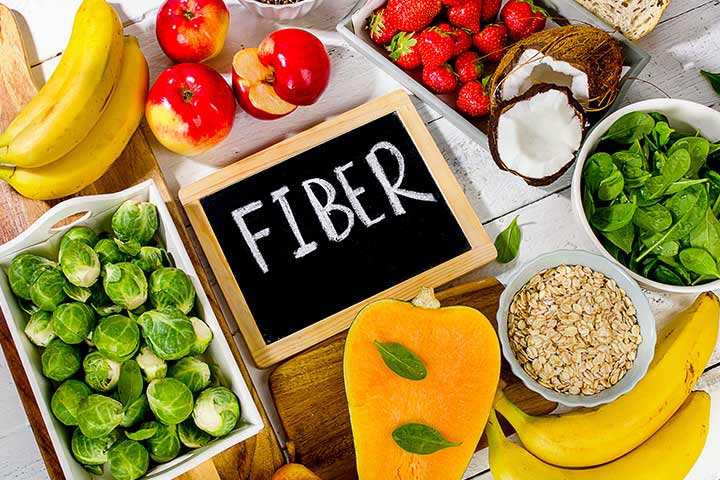
Consume lots of fruits, vegetables. They contain vitamins and minerals which help keep your immune system strong. Vegetables and fruits are high in fiber which helps to digest and fill you up. Aim to eat five to six servings of fruit or veg each day.
Drink plenty of water. Water flushes toxins out of the body and helps to feel full between meals. Drink about eight glasses each day.
Consume whole grains and not refined. Whole grains have all their nutrients intact, including B vitamins, iron, zinc, magnesium, calcium, and protein. Refined grains lack some nutrition.
Avoid sugary beverages. Sugary drinks are full of empty calories and lead to obesity. Instead, choose water, milk, and unsweetened tea.
Avoid fast food. Fast food lacks nutritional value. It may taste great but it won't give you the energy you need to function properly. Avoid soups, sandwiches and other unhealthy options.
Limit your alcohol intake. You can reduce your intake of alcohol by limiting the amount of empty calories. Limit your intake to two alcoholic drinks per week.
Red meat consumption should be reduced. Red meats have high levels of cholesterol and saturated fat. You should choose lean cuts like beef, pork lamb, chicken and fish instead.
What makes an antibiotic effective?
Antibiotics are drugs which destroy harmful bacteria. The treatment of bacterial infections is done with antibiotics. There are many types of antibiotics. Some can be taken orally while others can be injected. Others are topically applied.
Many people who have been exposed can be prescribed antibiotics. One example is if someone has had chickenpox and wants to prevent shingles. For those with strep-thorphritis, an injection of penicillin could be given to prevent them from getting pneumonia.
Doctors should prescribe antibiotics to children. Side effects of antibiotics can be more dangerous for children than for adults.
The most common side effect associated with antibiotics is diarrhea. Other side effects that could occur include nausea, vomiting and dizziness. Most of these symptoms disappear after the treatment is completed.
Why is it so important to lead a healthy lifestyle
Living a healthy lifestyle can help you live longer and more happy lives. A healthy lifestyle, regular exercise and good sleep habits will prevent the development of diseases such as stroke, diabetes and heart disease.
A healthy lifestyle will improve our mental well-being and help us deal better with everyday stresses. A healthy lifestyle can also help you feel and look younger.
Statistics
- nutrients.[17]X Research sourceWhole grains to try include: 100% whole wheat pasta and bread, brown rice, whole grain oats, farro, millet, quinoa, and barley. (wikihow.com)
- WHO recommends reducing saturated fats to less than 10% of total energy intake; reducing trans-fats to less than 1% of total energy intake; and replacing both saturated fats and trans-fats to unsaturated fats. (who.int)
- According to the 2020 Dietary Guidelines for Americans, a balanced diet high in fruits and vegetables, lean protein, low-fat dairy and whole grains is needed for optimal energy. (mayoclinichealthsystem.org)
- WHO recommends consuming less than 5% of total energy intake for additional health benefits. (who.int)
External Links
How To
How to live a healthy lifestyle
A healthy lifestyle is one in which you are able maintain your weight and health. This lifestyle includes healthy eating habits, regular exercise, adequate sleep, and abstaining from drugs, alcohol, caffeine, tobacco and other harmful substances. A healthy lifestyle can help you stay fit and feel great. In addition, a healthy lifestyle reduces your risk of chronic diseases like heart disease, stroke, diabetes, cancer, osteoporosis, arthritis and many others.
This guide provides a step by step guide for living a healthier and happier life. The introduction is the first part of this project. This explains why healthy living should be encouraged and who it is. The body paragraphs contain tips on how you can maintain a healthy lifestyle. Finally, I wrote the conclusion. It summarises the entire article and offers additional resources, if needed.
This assignment helped me learn how to write a clear and concise paragraph. Additionally, I learned how organize my thoughts into topic sentences and supporting information. Moreover, I improved my research skills because I had to find specific sources and cite them properly. I also learned how to write with proper grammar.