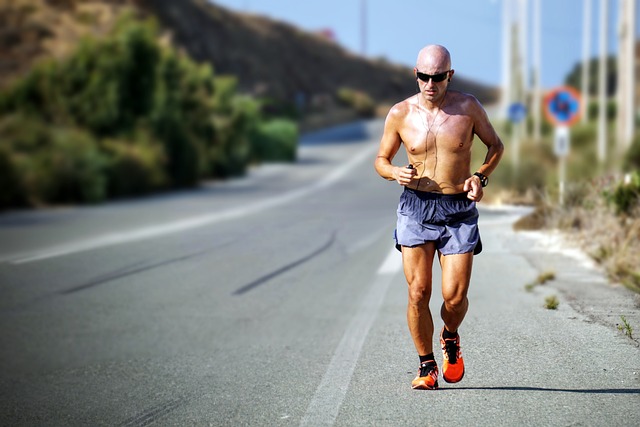
A key part of healthy aging is to keep fit. A healthy lifestyle can reduce the risk of stroke, diabetes, and depression. Exercise improves health and independence, as well as enhancing overall health. But it can be hard to keep up a fitness program.
A physician is a good choice if you are older than 50. Your doctor can assess your health and suggest the best type of exercise for you. Depending on your health, you might need to start with an exercise program that is gentle and slowly builds up to more vigorous activity.
It is best to look for a gym that offers senior-friendly classes. These gyms often offer seniors discounts. You can also find a personal trainer who can help you develop an exercise program suited for your age. You may want to invite friends and relatives to join your exercise plan.
If you have never exercised before, start with simple chair exercises and work your way up to more strenuous activities. Begin by warming up and cooling down. Exercise will help you get more fit and reduce stress.
Strength training exercises are great for building muscle endurance and strength. It also improves balance, which reduces the risk of falling. This includes single-leg standing, stair climbing and light weights.
It is important to stretch as part of any exercise program. Stretching can help relieve pain, stiffness, and inflammation. It can increase flexibility, range of motion, and mobility. It is best to do your stretching for at least 15 to 30 seconds. Stretching before you start any exercise is a great idea.
Cardio exercise is an excellent way to get older people moving. Cardio exercise not only increases energy, but also improves cardiovascular function. Higher levels of blood flow and oxygenated blood are good for your overall health. Moving aerobically, such as swimming, biking, walking and dancing, will increase your heart beat and strengthen your lungs.
Older adults can also benefit from strength training. Strength training can increase bone density and decrease the chance of developing osteoporosis. Strength training is a great way to make older adults more active. This is especially important for older adults who have lost muscle mass. Strength training for seniors is best if it increases muscle strength while maintaining balance.
You might feel discouraged when you first start an exercise program. Some people believe they are too old to exercise or it is too stressful. However, exercise can be equally beneficial to older adults as it can for younger individuals.
There are many activities that can be added to your exercise routine. These include yoga, tai Chi, running, walking and biking, as well as swimming. However, you should also consider doing some endurance exercise, such as mowing the lawn or tackling stairs. A group exercise class can be found at your local recreation center if you are not able to exercise on a regular basis. It's also a good idea to reach out to other older adults in your community to find out what activities they enjoy.
FAQ
Here are 7 ways to live a healthy lifestyle.
-
Take care of your health
-
Exercise regularly
-
Sleep well
-
Drink lots of water
-
Get enough sleep
-
Be happy
-
Smile often
How do you measure body fat?
A Body Fat Analyzer can be used to measure body fat. These devices are used for measuring the percentage of body fat in people who want to lose weight.
How does an anti-biotic work?
Antibiotics are medications that kill harmful bacteria. Antibiotics are used to treat bacterial infections. There are many options for antibiotics. Some can be taken orally while others can be injected. Others are topically applied.
Antibiotics can often be prescribed for people who have been infected with certain germs. For example, if someone has had chicken pox, he or she might take an oral antibiotic to prevent shingles later on. For those with strep-thorphritis, an injection of penicillin could be given to prevent them from getting pneumonia.
When antibiotics are given to children, they should be given by a doctor. Children are at greater risk than adults for developing serious side effects from taking antibiotics.
The most common side effect associated with antibiotics is diarrhea. Other side effects possible include dizziness, nausea, vomiting, stomach cramps, stomach pains, dizziness and allergic reactions. These symptoms usually go away after treatment ends.
What can be done to increase your immune system's effectiveness?
The human body is made up of trillions and trillions cells. These cells collaborate to form tissues and organs that perform specific functions. Another cell takes its place when a cell dies. Chemical signals, called hormones, allow cells to communicate with each other. Hormones regulate every bodily process, from growth and development to metabolism as well as immunity.
Hormones refer to chemicals secreted in glands throughout the body. They are chemicals that travel through the bloodstream and function as messengers to control how our bodies work. Some hormones can be produced within the body while others can be made outside.
When a hormone-producing gland releases their contents into the bloodstream, hormone production begins. Once hormones have been released, they travel through the body to their intended organ. Sometimes hormones stay active for only a short time. Other hormones remain active longer and still have an influence on the body's functioning long after they leave bloodstream.
Some hormones can only be produced in large quantities. Others are made in very small amounts.
Certain hormones can only be produced at specific times in life. For example, estrogen is made during puberty. Estrogen helps women develop breasts, maintain bone density, and prevent osteoporosis. Estrogen promotes hair growth, and skin stays soft and smooth.
What should I be eating?
Consume lots of fruits, vegetables. They provide vitamins and minerals to keep your immune systems strong. Also, fruits and veggies are rich in fiber. This makes them filling as well as helping with digestion. At least five servings of fruits and vegetables should be consumed each day.
Make sure you drink plenty of water too. Water flushes toxins from your body and helps you feel full between meals. Drink about eight glasses each day.
Whole grains are better than refined grains. Whole grains have all their nutrients intact, including B vitamins, iron, zinc, magnesium, calcium, and protein. Refined grains are stripped of some of their nutritional value.
Avoid sugary beverages. Sugary drinks are high in empty calories and can lead to obesity. Instead, drink water, milk, or unsweetened Tea.
Avoid fast food. Fast food is low in nutritional value. While it might taste good, it won't give your body the energy it needs to function properly. Stick to healthier options such as salads, soups, sandwiches, and pasta dishes.
Limit alcohol consumption. Alcohol contains empty calories and contributes to poor nutrition. Limit your intake to two alcoholic drinks per week.
Reduce red meat intake. Red meats contain high amounts of saturated fat and cholesterol. Lean cuts of beef or pork, lamb and chicken, as well as fish and turkey, are better choices.
Statistics
- WHO recommends reducing saturated fats to less than 10% of total energy intake; reducing trans-fats to less than 1% of total energy intake; and replacing both saturated fats and trans-fats to unsaturated fats. (who.int)
- nutrients.[17]X Research sourceWhole grains to try include: 100% whole wheat pasta and bread, brown rice, whole grain oats, farro, millet, quinoa, and barley. (wikihow.com)
- This article received 11 testimonials and 86% of readers who voted found it helpful, earning it our reader-approved status. (wikihow.com)
- The Dietary Guidelines for Americans recommend keeping added sugar intake below 10% of your daily calorie intake, while the World Health Organization recommends slashing added sugars to 5% or less of your daily calories for optimal health (59Trusted (healthline.com)
External Links
How To
How to Live A Healthy Lifestyle
Healthy living is a lifestyle that helps you maintain your weight, good health, and your fitness. Healthy living means eating right, exercising regularly, getting enough rest, and staying away from harmful substances like alcohol, tobacco, cocaine, and drugs. A healthy lifestyle can help you stay fit and feel great. A healthy lifestyle can help reduce your risk of developing chronic diseases such as heart disease, strokes, diabetes, cancer and osteoporosis.
This project had the main objective of providing a step-by–step guide to living a healthier lifestyle. The introduction was the first portion of the project. It describes the benefits of living a healthy life, what it means, and who we should be. The body paragraphs are a collection of tips on how to live a healthy life. Finally, I wrote the conclusion. It summarises the entire article and offers additional resources, if needed.
I learned how to create a concise and clear paragraph through this assignment. I also learned how to organize my ideas into topic sentences, and the supporting details. Furthermore, I was able to improve my research skills by being able to identify specific sources and correctly cite them. Finally, I learned how to properly use grammar when writing.