It is crucial to recognize the signs and get immediate medical attention to prevent a heart attack. Blockage in blood flow can lead to heart attacks. Fat deposits and other factors can block the coronary artery. This causes a reduction in blood flow to the hearts, which can lead to oxygen deprivation. The lack of oxygen may also damage heart tissues.
You can make lifestyle changes to improve your heart health. These include eating healthy foods and managing your cholesterol. Follow the recommended treatment of cardiac conditions.
It's also a good idea to maintain a healthy weight. Overweight can increase the risk of several diseases, including heart attack. You should also keep in mind the fact that smoking can increase blood pressure.
High blood pressure medication can prevent heart attacks. Talk to your doctor if you aren't currently on medication. Other medications you might be prescribed are antiplatelet drugs, which are used to prevent the clumping of platelets in the blood. For some, low-dose aspirin may be recommended.
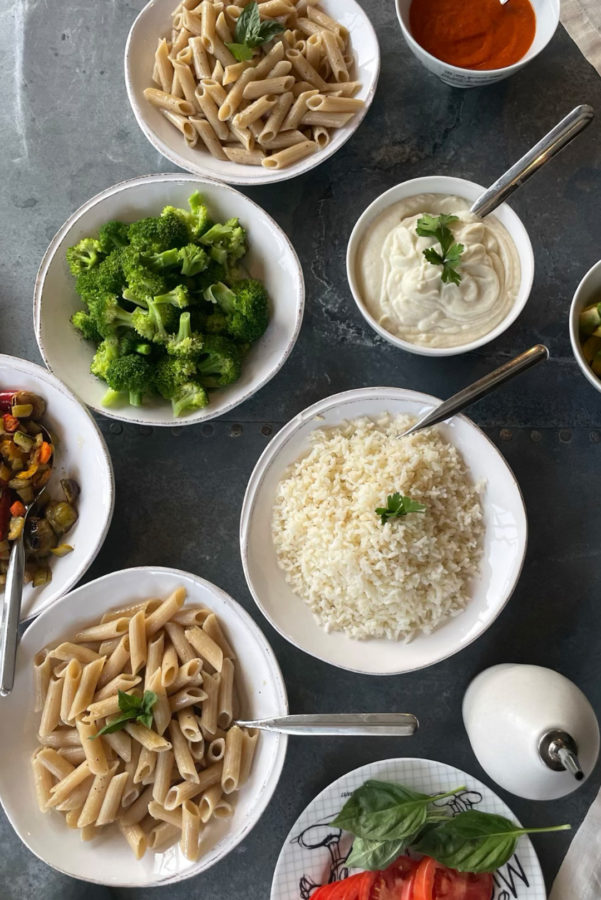
There are ways to reduce the amount of fat that you consume. Atherosclerosis can be caused if you eat unhealthy fats. Instead, increase your intake of foods that are high in fiber, including fresh fruits and vegetables. Fruits are rich in vitamins and minerals. Vegetables may also contain soluble fiber that can prevent cardiovascular disease.
Low-fat dairy products, as well as poultry, are essential for a heart-healthy diet. Avoid foods high in saturated fats and added sugars. You can eat lean meats containing less than 10% fat if you have to.
You can lower your risk of developing heart disease by eating a healthy diet and staying active. Aerobic exercise like walking or running can improve blood flow. The body can also be less inflammatory by eating a healthy diet.
Also, limit how much alcohol you drink. Blood pressure can be increased by drinking alcohol. Drinkers who have more than two drinks a day are more likely to develop heart problems.
High amounts of saturated fats or sodium in foods can increase the risk of developing heart disease. These substances are common in processed foods. Whole grains, legumes, as well as fruits should be consumed more. Get seven to nine hours sleep each night. Sleeping enough is linked to lower risk of obesity, diabetes, and high blood pressure.
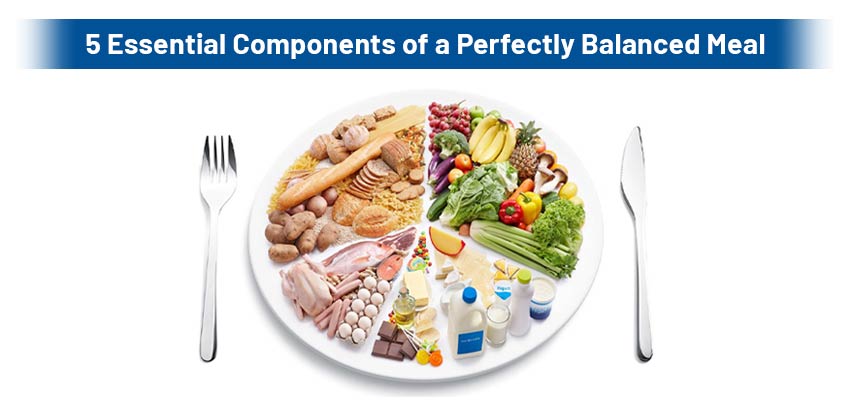
Your healthcare provider will be able to help you create a diet plan that suits your needs. Your healthcare provider can suggest lifestyle changes to lower your chance of having a heart attack.
You can prevent heart attacks by changing your eating habits. Inflammation is more common when you eat a diet high in processed foods. Switch to a healthy diet rich in fresh fruits and vegetables and low-fat dairy products to avoid inflammation.
FAQ
How does an antibiotic work?
Antibiotics kill harmful bacteria. To treat bacterial infections, antibiotics are used. There are many kinds of antibiotics. Some can either be administered orally, while others may be injected. Other antibiotics can also be applied topically.
Antibiotics are often prescribed to people who have been exposed to certain germs. One example is if someone has had chickenpox and wants to prevent shingles. A penicillin injection might be given to prevent pneumonia in someone who has had strep.
If antibiotics are to be administered to children, they must be prescribed by a doctor. The possibility of side effects that can cause serious side effects in children is greater than for adults.
Diarrhea is the most common side effect from antibiotics. Other possible side effects include stomach cramps, nausea, vomiting, allergic reactions, headaches, dizziness, and rashes. These side effects are usually gone once the treatment has finished.
What causes weight loss as we age?
How do you know if your bodyweight changes?
Weight loss occurs when there is less fat than muscle mass. This means that the amount of calories consumed must exceed the amount of energy used daily. Reduced activity is the leading cause of weight gain. Other factors include stress, pregnancy and hormonal imbalances. When there is more fat than muscles, it's called weight gain. It happens when people consume more calories in a day than they actually use. Overeating, increased physical activity and hormonal changes are all common reasons.
Our bodies lose weight mainly because we consume less calories than what we burn. By exercising regularly, our metabolism rates increase which in turn burns more calories during the day. But this doesn't guarantee that we'll lose weight. The important thing is to see if we're losing or gaining muscles. If we are burning more calories than what we eat, then we will lose weight. However, if we consume more calories than we burn, we end up storing them as extra fat.
As we get older, our movement speed slows down and so we move less. We also tend eat less than we did when our children were young. Also, we are more likely to gain weight. On the flip side, we tend to have more muscle mass so we look bigger than we really are.
Without weighing yourself each week, there is no way to know how much weight you have lost. There are many ways you can measure your weight. There are many ways to measure your weight. You can check your waist, hips, thighs, arms and legs. Some people prefer to use the bathroom scales, while some prefer to use tape measurements.
Track your progress by measuring your waistline and weighing yourself every week. You can also take pictures of yourself every few months to see how far you've come.
You can also find out how much you weigh by looking up your height and weight online. For example, if your height is 5'10", and your weight is 180 pounds, then you'd probably be 180 pounds.
These are five tips to help you lead a healthy lifestyle.
Are there 5 ways to have a healthy lifestyle?
A healthy lifestyle means eating right, being active, getting enough sleep, managing your stress levels, and having fun. Avoiding sugar and unhealthy fats is key to eating well. Exercise helps burn calories and strengthens muscles. Get enough sleep to improve your memory and concentration. Stress management helps reduce anxiety and depression. Fun keeps us happy and healthy.
Improve immunity with herbs and supplements?
You can boost your immune function with herbs and natural remedies. Ginger, garlic, ginger, oregano oils, echinacea and ginkgo biloba are some of the most common.
These herbal remedies are not meant to replace medical treatment. They could cause side effects like nausea, dizziness or stomach cramps, dizziness as well as allergic reactions.
Statistics
- According to the 2020 Dietary Guidelines for Americans, a balanced diet high in fruits and vegetables, lean protein, low-fat dairy and whole grains is needed for optimal energy. (mayoclinichealthsystem.org)
- WHO recommends consuming less than 5% of total energy intake for additional health benefits. (who.int)
- According to the Physical Activity Guidelines for Americans, we should strive for at least 150 minutes of moderate intensity activity each week (54Trusted Source Smoking, harmful use of drugs, and alcohol abuse can all seriously negatively affect your health. (healthline.com)
- nutrients.[17]X Research sourceWhole grains to try include: 100% whole wheat pasta and bread, brown rice, whole grain oats, farro, millet, quinoa, and barley. (wikihow.com)
External Links
How To
What does the term "vitamins" mean?
Vitamins are organic substances found naturally in food. Vitamins are essential for our bodies to absorb nutrients from the foods we eat. Vitamins cannot be produced by the body. They must be obtained from food.
There are two types vitamins: water soluble or fat soluble. Water-soluble vitamins dissolve quickly in water. Examples include vitamin C,B1 (thiamine), B2 (riboflavin), B3 (niacin), B6 (pyridoxine), folic acid, biotin, pantothenic acid, and choline. The liver and fatty tissue are the main storage places for fat-soluble vitamins. You can find vitamin D, E K, A and beta carotene as examples.
Vitamins can be classified according to biological activity. There are eight main groups of vitamins.
-
A - Essential for healthy growth and health maintenance.
-
C - essential for proper nerve function, and energy production.
-
D - essential for healthy teeth and bones.
-
E - required for good vision & reproduction.
-
K – Required for healthy muscles & nerves.
-
P – Vital for building strong bones.
-
Q - Aids in digestion and absorption.
-
R - Required for red blood cell production
The recommended daily intake (RDA), of vitamins varies with age, gender and physical conditions. The U.S. Food and Drug Administration has established the RDA values.
For adults aged 19 and older, the RDA for vitamin B is 400 micrograms daily. Pregnant women require 600 micrograms daily to support fetal development. Children ages 1-8 require 900 micrograms per day. Infants under one year of age require 700 micrograms per day, but this amount decreases to 500 micrograms per day between 9 months and 12 months of age.
Children aged 1-18 years need 800 micrograms daily, while children overweight require 1000 micrograms per days. Children who are severely obese or underweight will need 1200 micrograms each day.
Children 4-8 years old with anemia will need 2200 mg of vitamin D daily.
2000 micrograms are required daily for good health in adults over 50. Due to their increased nutrient needs, pregnant and breastfeeding women need 3000 micrograms daily.
1500 micrograms are required daily by adults over 70 because they lose approximately 10% of their muscle each decade.
Women who are pregnant or lactating need more than the RDA. Pregnant women require 4000 micrograms daily during pregnancy, and 2500 micrograms every day after birth. Breastfeeding mothers need 5000 mg per day when breastmilk is being produced.