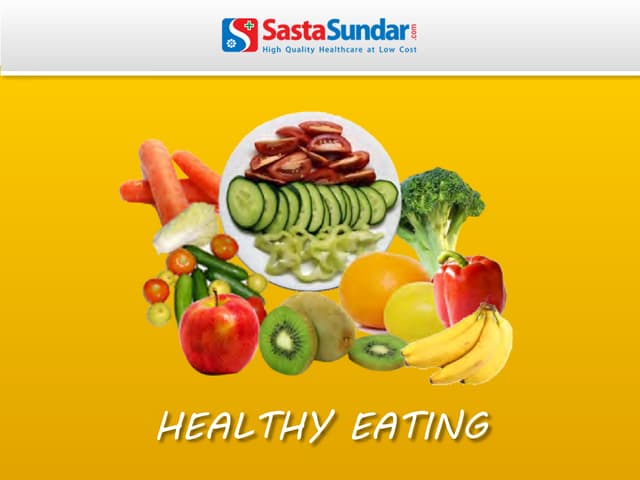
Having a balanced diet can help you avoid health problems, such as heart disease, diabetes, and cancer. Balanced eating can help you feel better and give you more energy. Regular exercise is important in addition to healthy eating habits. Exercise can help reduce the risk of several diseases such as metabolic syndrome and arthritis.
It is possible to have a balanced diet by eating a variety, including fruits and vegetables, meat, and whole grains. These foods have vitamins and minerals that enhance the body's functions. Some foods are high in antioxidants, which can also improve the body's defense systems against illness.
A balanced diet is key to avoiding obesity, which can lead to a host of other diseases. A healthy diet is also essential in maintaining blood pressure and cholesterol levels. Keeping your weight in check can decrease your risk of cardiovascular disease, arthritis, and type 2 diabetes.

People who eat a balanced diet are less likely to get cancer. This is the number one cause of death in the United States. Vegetables and fruits are rich in antioxidants that can protect cells from free radical damage. They also increase the production and function of white blood cells that are crucial in fighting infections.
Choosing a balanced diet will provide your body with all the nutrients it needs. Preservatives and other harmful additives are also a problem in processed foods. Fast food is not healthy. Even though you still love your favorite foods, be careful to eat them in moderation.
It is important to use a measuring cup to ensure you get the right size portions. Fruits are high in fiber, and you should eat them whole, rather than in juice. Aim to consume five servings of fruit or vegetables each day. Vegetables can be prepared in many ways to ensure you have enough.
Proteins are essential for a balanced diet. There are many sources of lean protein, including meat, poultry, beans and nuts. Almonds and ground flax are great sources of fat. Including enough protein can help keep you from overeating and gaining weight.

A balanced diet includes consuming enough vitamins and minerals. Deficiencies of these essentials can lead to a decline in immunity, which makes you more vulnerable to illness. Vitamin C is crucial. A high intake of vitamin C can prevent the arteries from becoming blocked. This can lead to heart diseases.
According to the University of Maryland Medical Center, a high-calorie and high-fat diet is not recommended. People who eat a low-calorie diet are less likely to develop heart disease.
Healthy diets rich in fruits or vegetables can protect you against diabetes. Regular exercise can also prevent heart problems and metabolic syndrome. While it's important to eat a variety of different foods, your body also needs a balanced amount of carbs and fat to stay at an ideal weight.
FAQ
Why should we have a healthy lifestyle to begin with?
Healthy living can lead to a longer and happier life. A healthy lifestyle, regular exercise and good sleep habits will prevent the development of diseases such as stroke, diabetes and heart disease.
By living a healthy lifestyle, we can improve our mental health. It will make us more resilient to everyday stress. Healthy living will boost self-confidence and make you look and feel younger.
What is the difference between a calorie or a kilocalorie.
Calories are units that measure the energy content of food. The unit of measurement is called a calorie. One calorie is the amount of energy required to heat one gram water one degree Celsius.
Kilocalories are another term for calories. Kilocalories are measured as a thousandth of a calorie. For example, 1000 calories equals one kilocalorie.
What can you do for your immune system to improve?
The human body is made up of trillions and trillions cells. Each cell works together to create organs and tissues that fulfill specific functions. A cell that dies will be replaced by another. Cells communicate with one another using chemical signals called hormonal hormones. Hormones regulate all bodily processes, from growth and development to metabolism and immunity.
Hormones, chemicals that are secreted throughout the body by glands, are chemicals. They circulate through the bloodstream and act as messengers to regulate how our bodies function. Some hormones come from the body and others are produced outside.
Hormone production occurs when a hormone producing gland releases its contents to the bloodstream. Once hormones are released, they move through the body to reach their target organ. Sometimes hormones stay active for only a short time. Some hormones last longer and influence the body's functionality even after leaving the bloodstream.
Some hormones can only be produced in large quantities. Others are only produced in very small quantities.
Some hormones are made at specific times in your life. The production of estrogen can occur during puberty and pregnancy, as well as menopause and old age. Estrogen is important for women to develop breasts and maintain bone density. It also helps prevent osteoporosis. It promotes hair growth as well as keeping skin soft and smooth.
What are the 7 best tips for a healthy and happy life?
-
You should eat right
-
Exercise regularly
-
Good sleep
-
Drink plenty of water.
-
Get enough sleep
-
Be happy
-
Smile often.
Exercise: Is it good or bad for immunity?
Exercise is good for your immune systems. Your body makes white blood cells that fight infections when you exercise. You also eliminate toxins. Exercise can prevent heart disease, cancer, and other diseases. Exercise can help reduce stress.
Exercising too frequently can make your immune system weaker. When you exercise too hard, your muscles will become sore. This causes inflammation and swelling. In order to fight off infection, your body must produce more antibodies. However, these antibodies can also cause allergic reactions and autoimmune diseases.
So, don't overdo it!
What is the difference between a virus and a bacterium?
A virus is a microscopic organism which cannot reproduce outside of its host cell. A bacterium is an organism that splits itself in two. Viruses are small, around 20 nanometers in size. Bacteria are much larger, at 1 micron.
Viruses can be spread by contact with bodily fluids containing infected substances, such as saliva, urine and semen. Bacteria is usually spread directly from surfaces or objects contaminated with bacteria.
Viral infections may enter the body through cuts, scrapes. bites and other skin breaks. They can also get into the skin through the nose, mouth and eyes, ears as well as through the rectum, rectum and anus.
Bacteria can be introduced to our bodies by cuts, scrapes or burns. They may also come into our bodies through food, water, air, soil, dust, or animals.
Both bacteria and viruses cause illness. Viruses can not multiply in the host. Infecting living cells is what causes them to become sick.
Bacteria can cause illness by multiplying in the body. They can even invade other parts of the body. They can even invade other parts of the body, which is why antibiotics are necessary to eradicate them.
How can weight change with age?
How can you tell if your bodyweight has changed?
If there are less calories than muscle mass, then weight loss is possible. This means that calories must be consumed at a rate greater than energy. Low activity levels are the leading cause for weight loss. Other reasons include poor eating habits, stress, hormone imbalances, certain medications and illness. A person who has more fat than their muscle mass will experience weight gain. It happens when people consume more calories in a day than they actually use. There are many reasons for this, including overeating and increased physical activity.
Our bodies lose weight because we eat fewer calories than we burn. When we exercise regularly, we increase our metabolism rate which burns off more calories throughout the day. But this doesn't guarantee that we'll lose weight. The important thing is to see if we're losing or gaining muscles. Weight loss is possible if you burn more calories than you consume. But, if we consume more calories then we burn, then they are being stored as fat.
As we get older, we tend not to be as mobile and move as fast. We also tend to consume less food than when we were younger. Therefore, we tend to put on weight. We also tend to look larger because we have more muscle.
Without weighing yourself each week, there is no way to know how much weight you have lost. There are many options for measuring your weight. You can measure your waist, your hips and your thighs. Some people prefer to use bathroom scales while others like to use tape measures.
To track your progress, weigh yourself once a week. Measure your waistline once per month. You can also take images of yourself every few weeks to see how far it has come.
Online, you can find out your height and weight. For example, if your height is 5'10", and your weight is 180 pounds, then you'd probably be 180 pounds.
Statistics
- WHO recommends consuming less than 5% of total energy intake for additional health benefits. (who.int)
- WHO recommends reducing saturated fats to less than 10% of total energy intake; reducing trans-fats to less than 1% of total energy intake; and replacing both saturated fats and trans-fats to unsaturated fats. (who.int)
- This article received 11 testimonials and 86% of readers who voted found it helpful, earning it our reader-approved status. (wikihow.com)
- nutrients.[17]X Research sourceWhole grains to try include: 100% whole wheat pasta and bread, brown rice, whole grain oats, farro, millet, quinoa, and barley. (wikihow.com)
External Links
How To
What does the word "vitamin" mean?
Vitamins can be described as organic compounds found in food. Vitamins help us absorb nutrients from foods we eat. The body cannot make vitamins; therefore, they must be obtained from food.
There are two types if vitamins: water soluble, and fat soluble. Water-soluble vitamins dissolve in water easily. You can find vitamin C,B1 or thiamine, B2 or riboflavin and B3 or niacin. B6 is pyridoxine. Folic acid, biotin and pantothenic are some examples. Fat-soluble vitamins are stored within the liver and in fatty tissue. Examples include vitamin D, E, K, A, and beta carotene.
Vitamins are classified based on their biological activity. There are eight major groups of vitamins:
-
A – Essential for normal growth, and the maintenance of good health.
-
C - important for proper nerve function and energy production.
-
D - Essential for healthy teeth and bones.
-
E - required for good vision & reproduction.
-
K - required for healthy muscles and nerves.
-
P – Vital for building strong bones.
-
Q - Aids in digestion and absorption.
-
R - necessary for making red blood cells.
The recommended daily allowance for vitamins (RDA) varies according to age, gender, or physical condition. The U.S. Food and Drug Administration sets RDA values.
For adults aged 19 and older, the RDA for vitamin B is 400 micrograms daily. However, pregnant women need 600 micrograms per day because it is important for fetal development. Children ages 1-8 require 900 micrograms per day. Infants under one year of age require 700 micrograms per day, but this amount decreases to 500 micrograms per day between 9 months and 12 months of age.
Children between the ages of 1-18 need 800 micrograms per daily for obesity, while those overweight require 1000 micrograms. To meet their nutritional needs, children underweight and obese need 1200micrograms.
Children aged 4-8 who have anemia are required to consume 2200 micrograms of Vitamin C daily.
2000 micrograms per person is necessary for general health. Due to their increased nutrient needs, pregnant and breastfeeding women need 3000 micrograms daily.
Adults over 70 require 1500 micrograms each day, since they lose approximately 10% of muscle mass each decade.
Women who have been pregnant or are lactating require more than the RDA. Pregnant woman need 4000 micrograms daily in pregnancy and 2500 per day after childbirth. Breastfeeding mothers require 5000 micrograms daily when breast milk production is occurring.