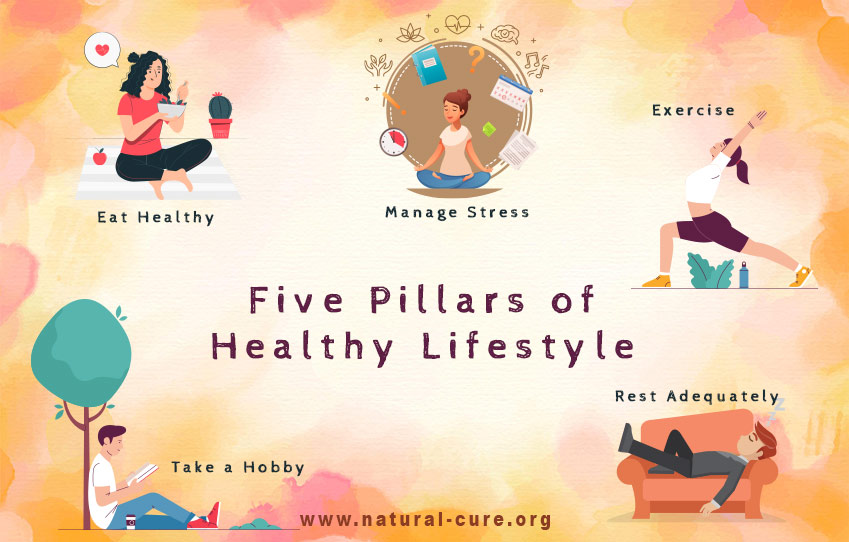
There are many ways to make people live longer. Getting enough sleep, for example, can reduce the risk of diabetes, heart disease, and obesity. Regular exercise can help you stay physically and mentally fit into old age. A healthy diet is important to help you age gracefully.
A study of over 52,000 people found that those who eat the most fruits and vegetables are less prone to dying from Alzheimer's Disease or heart disease. People who quit smoking have a lower chance of dying young. Another study revealed that people who are physically active live longer than those who are not.
Study of more than 6,000 people revealed that people who have a healthy body mass are less likely to succumb to cancer, heart disease, and Alzheimer's. The study showed that those who were the most health had a lower body mass than 25, which was the highest in the group. The healthiest women and men also tended to have less body fat, which reduces the risk of developing cardiovascular disease.
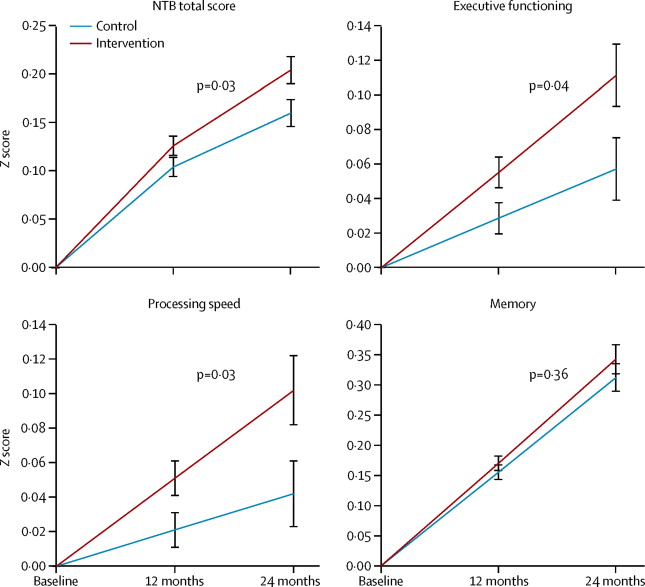
Another study revealed that people can live longer if they eat less sugar or refined carbohydrates. Researchers discovered that eating fewer calories can reduce the risk of oxidative damage to cells. These types of diets can also help reduce inflammation, which is linked to premature death.
Many believe longevity is determined primarily by genes. Lifestyle factors play an important role in the aging process. It is important that you eat a healthy diet with plenty of antioxidants. The risk of heart disease and diabetes can be reduced by eating healthy fats and not saturates and transfats. These foods also have lower sodium content, which reduces the risk of heart disease.
Other factors that can increase your lifespan include a strong sense of self and social connection. Researchers found that people with a strong sense of self were less likely to die from heart disease, stroke, and other illnesses. The death rate of those who were married or had children was lower than for those who were not. Study also revealed that religious attendees had higher levels of immune system protein.
For repairing your health, it is important to get enough sleep. A lack of sleep can increase your risk of developing heart disease, diabetes, or cancer. The study found that those who slept less then eight hours per night were more likely die.

Studies have shown that being physically active can reduce your risk of heart disease, stroke, and diabetes. A study of over five thousand people found that people who walked five to six miles a day had a reduced risk of death. Exercise can improve your mobility and reduce stress. It can also boost your mood.
Men should invest in their mental health as well as their relationships and family. Research shows that men who have strong connections to others are less likely die from heart disease and stroke. People who are married or have mates were also more likely live longer.
FAQ
What's the difference between a calorie and kilocalorie?
Calories are units used to measure the amount of energy in food. A calorie is a unit of measure. One calorie represents the energy required to raise one gram of water's temperature by one degree Celsius.
Kilocalories refer to calories in another way. Kilocalories equal one thousandth of an calorie. 1000 calories is one kilocalorie.
What is the difference in a virus and bacteria?
A virus can be described as a microscopic organism incapable of reproducing outside its host cell. A bacterium can be described as a single-celled organism which reproduces by splitting in two. Viruses can be as small as 20 nanometers, while bacteria can grow up to 1 micron.
Viruses are spread via contact with infected bodily liquids such as urine, saliva, semen and vaginal secretions. Bacteria are often spread via direct contact with contaminated surfaces and objects.
Viral infections may enter the body through cuts, scrapes. bites and other skin breaks. They can also get into the skin through the nose, mouth and eyes, ears as well as through the rectum, rectum and anus.
Bacteria can get into our bodies through cuts, scrapes and burns, insect bites, or other skin breaks. They may also come into our bodies through food, water, air, soil, dust, or animals.
Both bacteria and viruses can cause illness. But viruses do not have the ability to multiply within their hosts. They only infect living tissues when they cause illness.
Bacteria can multiply within their hosts and cause illness. They can even invade other parts of the body. Antibiotics are needed to eliminate them.
Exercise: Good for immunity or not?
Exercise is good for your immune system. Exercise boosts the production of white blood cells in your body that fight infections. You also get rid of toxins from your body. Exercise can prevent heart disease, cancer, and other diseases. Exercise also helps to reduce stress levels.
However, exercising too much can weaken your immune system. If you work out too hard, your muscles become sore. This can lead to inflammation and swelling. Your body then needs to make more antibodies in order to fight infection. The problem is that these extra antibodies can cause allergies and autoimmune disorders.
So, don't overdo it!
Is being cold good for your immune system.
Cold makes you weaker because you have less white blood cells to fight infections. But, cold makes you feel better. Your brain releases endorphins that reduce pain.
What does it take to make an antibiotic work?
Antibiotics kill harmful bacteria. Antibiotics are used to treat bacterial infections. There are many different types of antibiotics. Some can either be administered orally, while others may be injected. Other antibiotics can also be applied topically.
Many people who have been exposed can be prescribed antibiotics. To prevent shingles, an oral antibiotic may be prescribed to someone who has had chicken pox. An injection of penicillin may be necessary to prevent pneumonia if someone has strep.
Doctors should prescribe antibiotics to children. The possibility of side effects that can cause serious side effects in children is greater than for adults.
Diarrhea is one of the most common side effects of antibiotics. Other side effects possible include dizziness, nausea, vomiting, stomach cramps, stomach pains, dizziness and allergic reactions. Most of these symptoms disappear after the treatment is completed.
Statistics
- This article received 11 testimonials and 86% of readers who voted found it helpful, earning it our reader-approved status. (wikihow.com)
- WHO recommends reducing saturated fats to less than 10% of total energy intake; reducing trans-fats to less than 1% of total energy intake; and replacing both saturated fats and trans-fats to unsaturated fats. (who.int)
- WHO recommends consuming less than 5% of total energy intake for additional health benefits. (who.int)
- Extra virgin olive oil may benefit heart health, as people who consume it have a lower risk for dying from heart attacks and strokes according to some evidence (57Trusted Source (healthline.com)
External Links
How To
How to Live A Healthy Lifestyle
A healthy lifestyle is one that allows you to maintain your weight, your health, and your fitness. It's a way of living that includes eating well, exercising regularly, getting enough sleep and avoiding harmful substances such as alcohol, caffeine, tobacco, drugs, and so on. A healthy lifestyle will help you feel happy and fit. Healthy lifestyles can also reduce the risk of chronic diseases, such as stroke, heart disease, diabetes, cancer, osteoporosis and arthritis.
The main goal of this project was to provide a step-by-step guide on how to live a healthier life. The introduction of the project was the first. This describes what a healthy lifestyle looks like, why it is important, and who we are. Next, I wrote the body paragraphs. These include tips and tricks for maintaining a healthy lifestyle. Finally, I wrote the conclusion. It summarises the entire article and offers additional resources, if needed.
I was able to learn how concisely and clearly I could write my paragraphs through this assignment. I also learned how to organize my ideas into topic sentences, and the supporting details. My research skills were also improved as I had to search for specific sources and cite them correctly. I also learned proper grammar for writing.