
Participating in senior health programs is an important step to maintaining your good health. These programs help to lower the risk of developing chronic conditions such heart disease, diabetes, and arthritis. These programs can lower blood pressure and cholesterol, as well as reduce the chance of developing dementia. These programs provide information to seniors on their health, preventive care and how they can make their home safer.
Senior wellness programs are an excellent way to lower healthcare costs. Participating in these programs results in fewer hospital visits, emergency room visits, and falls for seniors. They are also encouraged to live a healthier lifestyle through these programs. This can include a healthy diet, taking prescribed medications, and dressing appropriately for the weather.
Senior wellness programs help seniors to reduce clutter in the home and make it easier for their loved ones to find the things that they need. You can also find advice for seniors about installing grab bars and improving lighting.
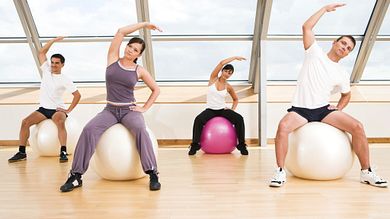
Senior wellness programs can be used to encourage seniors to stay active in their own homes. Seniors may take part in swimming, yoga, or aerobic classes. These programs are great for seniors who want to lower their stress levels and increase their confidence. Seniors may also be able to find volunteer opportunities and book clubs. These activities will help seniors to make friends, reduce stress, and avoid depression.
Seniors who participate in senior wellness programs can reduce their risks of dementia, strokes, and heart attack. They can also reduce their risk of heart disease, high blood sugar, and obesity. These programs are designed to increase blood circulation to the brain and improve fitness.
Seniors can enjoy senior chair exercises. They are specifically designed for those with limited mobility. These exercises can be found at many non-profit organizations and government agencies.
Senior wellness programs may also help seniors to avoid falling. Seniors can avoid falls by practicing good balance and coordination. Seniors with limited mobility may also be able to try water aerobics or hand-powered bicycles. A number of exercises for improving core strength or range of motion are available.
Getting started in an exercise program can be difficult. Senior citizens may find it difficult to exercise or may feel unable to leave the comfort of their homes. You can overcome this by joining a gym. Many gyms offer discounted memberships for seniors. You may be eligible for a discount on equipment for your home, too.
For seniors, it may not be effective to do the exercises in their own homes. Seniors may feel bored or lose their interest. You can make these exercises less intense or more impactful. It is also important to check with their doctor before starting a new exercise program. Their health may be compromised and they should be closely monitored.
It is important to consider the weather conditions when you exercise. Seniors should avoid exercising in hot or wet weather. These conditions could lead to dehydration. Wearing appropriate clothing and shoes is also important. They should also assess their ability to withstand the effects of exercise on their lungs and joints.
FAQ
What can be done to increase your immune system's effectiveness?
The human body is composed of trillions if not billions of cells. These cells combine to form organs or tissues that serve specific functions. When one cell dies, another cell replaces it. Hormones, which are chemical signals that allow cells to communicate with one another, enable them to do so. All bodily processes are controlled by hormones, including metabolism and immunity.
Hormones, chemicals that are secreted throughout the body by glands, are chemicals. They travel through blood stream and act as messengers that control the function of our bodies. Some hormones come from the body and others are produced outside.
The hormone-producing glands release their contents into bloodstream. This is when hormone production starts. Once released, hormones move through the body until they reach their target organ. In some cases, hormones remain active only for a short period of time. Other hormones stay active longer and continue to influence the body's functioning even after they leave the bloodstream.
Some hormones can only be produced in large quantities. Others are produced in small amounts.
Some hormones are made at specific times in your life. For example, estrogen is made during puberty. Estrogen aids women in developing breasts, maintaining bone density and preventing osteoporosis. It promotes hair growth as well as keeping skin soft and smooth.
Why should we have a healthy lifestyle to begin with?
Living a healthy lifestyle can help you live longer and more happy lives. A healthy diet, regular exercise, good sleep habits, and stress management will help prevent diseases like heart disease, diabetes, cancer, and stroke.
A healthy lifestyle will also improve our mental health by helping us cope better with everyday stresses. Healthy living will boost self-confidence and make you look and feel younger.
Is being cold bad for your immune system?
It has been said that there are two types of people on the planet: those who love winter or those who hate it. You may wonder why you feel so miserable in the cold, no matter how much you love or hate winter.
Our bodies are made to function well in warm weather. In fact, we evolved to thrive in hot climates because that's where most of our food sources are located.
We live in a very different environment than our ancestors. We spend more time indoors, are often exposed at extreme temperatures (cold and hot), and eat processed food rather than fresh.
Because of this, our bodies have become accustomed to extremes. This means that we feel tired, sluggish and even sick when we venture outside.
However, there are ways to counter these effects. Keep your body hydrated. Drinking plenty of water will help you keep your body hydrated and flush out toxins.
Also, ensure you eat healthy food. Consuming healthy food helps maintain your body's optimal temperature. This is especially helpful for people who spend a lot of time indoors.
It is worth taking a few extra minutes each day to meditate. Meditation is a great way to relax your body and mind. It makes it easier for you to cope with stress and illness.
How do you know what is best for you?
You must listen to your body. Your body will tell you how much exercise, nutrition, and sleep you need. To avoid overdoing it, it's important that you pay attention to what your body is telling you. Be aware of your body and do what you can to keep it healthy.
Do I need to count calories
You may be wondering "what is the best diet for you?" or "is counting calories necessary?" This depends on several factors like your current health and personal goals. Your preferences and overall lifestyle.
Which one is right for you?
My current health, my personal goals and lifestyle will determine the best diet for me. There are many different diets, some good, some not. Some diets work better than others. What should I do? How do I make the right decision?
These questions are addressed in this article. It begins with an overview of the different diets today. Next, we'll discuss the pros and cons for each type of diet. We'll then discuss how to choose which one is best for you.
Let's first take a look at different diets.
Diet Types
There are three main types of diets: low fat, high protein, and ketogenic. Let's look at each one briefly.
Low Fat Diets
A low fat diet reduces the amount of fats you eat. This is achieved by reducing saturated fat intake (butter, cream cheese etc.). They should be replaced by unsaturated oil (olive oils, avocados, etc.). Low fat diets are often recommended to those who wish to lose weight quickly. However, constipation, stomach pain, and heartburn can all be caused by this type of diet. It can also lead to vitamin deficiencies, if someone doesn't get enough vitamins in their food.
High Protein Diets
High protein diets reduce carbohydrates to favor of proteins. These diets often have higher levels of protein than most other diets. They are meant to help build muscle mass and burn more calories. One problem is that they may not provide adequate nutrition to someone who needs it. Also, they tend to be very restrictive, so they aren't suitable for everyone.
Ketogenic Diets
The keto diet is also known as the keto diet. They are high on fat but low in carbs and proteins. They are typically used by athletes and bodybuilders because they allow them to train harder and longer without getting tired. To avoid side effects such as fatigue, nausea, headaches, or other unpleasant side effects, you must strictly adhere to their instructions.
What is the difference in a virus and bacteria?
A virus can be described as a microscopic organism incapable of reproducing outside its host cell. A bacterium is an organism that splits itself in two. Viruses have a very small size (approximately 20 nanometers), while bacteria can grow to a maximum of 1 micron.
Viruses spread easily through contact with bodily fluids infected, including saliva and urine, semen, vaginal secretions or pus. Bacteria are usually spread through direct contact with contaminated objects or surfaces.
Viral infections may enter the body through cuts, scrapes. bites and other skin breaks. They can also be transmitted through the eyes, nose, mouth, ears, vaginal, rectum, and anus.
Bacteria may enter our bodies through cuts and scrapes on our skin, burns, insect bites, and other wounds. They may also enter our bodies from food, water, soil, dust, and animals.
Both bacteria as well as viruses can cause illness. But viruses can't multiply within their host. Viral infections can only cause diseases in living cells.
Bacteria can grow in their hosts and cause disease. They can invade other areas of the body. We need antibiotics to get rid of them.
How often should i exercise?
A healthy lifestyle requires regular exercise. However, there's no time limit on how much you should exercise. The key is finding something you enjoy and stick with it.
You should aim to do 20-30 minutes of moderate intensity exercise three times per week. Moderate intensity will mean that you'll continue to be exerting yourself afterward. This type is good for burning around 300 calories.
If you prefer to walk, go for 10 minute walks four days a week. Walking is easy on the joints and has low impact.
Jogging for 15 minutes three days a week is a good option if you prefer to run. Running is a great exercise to build muscle tone and burn excess calories.
If you're not used to exercising, start slowly. You can start with only 5 minutes per week of cardio. Gradually increase your cardio duration until reaching your goal.
Statistics
- According to the 2020 Dietary Guidelines for Americans, a balanced diet high in fruits and vegetables, lean protein, low-fat dairy and whole grains is needed for optimal energy. (mayoclinichealthsystem.org)
- nutrients.[17]X Research sourceWhole grains to try include: 100% whole wheat pasta and bread, brown rice, whole grain oats, farro, millet, quinoa, and barley. (wikihow.com)
- In both adults and children, the intake of free sugars should be reduced to less than 10% of total energy intake. (who.int)
- WHO recommends consuming less than 5% of total energy intake for additional health benefits. (who.int)
External Links
How To
What does the term "vitamins" mean?
Vitamins are organic compounds that can be found in foods. Vitamins are essential for our bodies to absorb nutrients from the foods we eat. Vitamins cannot come from the body so food must provide them.
There are two types: water-soluble and fat-soluble vitamins. Water-soluble vitamins dissolve in water easily. You can find vitamin C,B1 or thiamine, B2 or riboflavin and B3 or niacin. B6 is pyridoxine. Folic acid, biotin and pantothenic are some examples. Fat-soluble vitamins are stored within the liver and in fatty tissue. Examples include vitamin D, E, K, A, and beta carotene.
Vitamins can be classified according to biological activity. There are eight major types of vitamins.
-
A – Essential for normal growth, and the maintenance of good health.
-
C - important for proper nerve function and energy production.
-
D - Essential for healthy teeth and bones.
-
E - Required for good vision, reproduction.
-
K - Required for healthy nerves and muscles.
-
P - Vital for strong bones and teeth.
-
Q - aids in digestion of iron and iron absorption
-
R - necessary for making red blood cells.
The recommended daily intake (RDA), of vitamins varies with age, gender and physical conditions. RDA values are set by the U.S. Food and Drug Administration (FDA).
For adults aged 19 or older, the RDA of vitamin A is 400mg per day. However, pregnant women need 600 micrograms per day because it is important for fetal development. Children ages 1-8 require 900 micrograms per day. Infants below one year of age need 700 micrograms daily. But, between 9 months to 12 months of age, the amount drops to 500micrograms per days.
Children between the ages of 1-18 need 800 micrograms per daily for obesity, while those overweight require 1000 micrograms. To meet their nutritional needs, children underweight and obese need 1200micrograms.
Children between 4-8 years of age who have been diagnosed by anemia must consume 2200 micrograms daily of vitamin C.
2000 micrograms are required daily for good health in adults over 50. Breastfeeding or pregnant women require 3000 micrograms per daily due to higher nutrient demands.
Adults over 70 require 1500 micrograms each day, since they lose approximately 10% of muscle mass each decade.
Women who have been pregnant or are lactating require more than the RDA. Pregnant women need 4000 micrograms per dayduring pregnancy and 2500 micrograms per day after delivery. Breastfeeding mothers need 5000 mg per day when breastmilk is being produced.