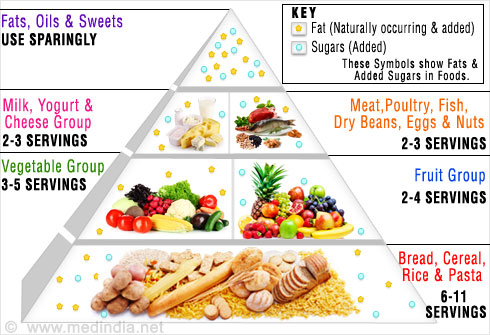
Carbohydrates are sugar molecules. They provide energy to the body and are crucial for health. The body uses carbohydrates as fuel for many functions, including the heart, kidneys and muscles. Your liver and muscles also store glucose. Getting the right amount of carbs can help reduce your risk for diabetes. There are many types of carbohydrates. Some are more nutritious and include vitamins while others are lower in the glycemicindex.
Carbohydrates can also be a source for fiber. Fiber can help to lower your cholesterol. Adding fiber to your diet can help you feel full and prevent you from overeating. Eating whole grains will help you lower your risk of getting heart disease. Whole grains are lower on glycemic, which means they are healthier.
There are three main types of carbohydrates: complex, simple, and fiber. Complex carbohydrates are slower to digest and provide longer-lasting energy. These can be found in whole grains as well as fruits and vegetables. Complex carbohydrates are good for your body after exercise, as well as boosting your energy levels.

Simple carbohydrates are quick to digest. If you eat a lot of simple carbohydrates, you may develop high blood sugar and high cholesterol. Sugar is a natural element in fruits or vegetables. But, it can also be added to foods. Added sugars can be found in juices, sodas, and sweets. These foods not only have high calories but can also contain very little nutrition.
For people with diabetes, it is particularly important to choose the right kinds of carbs. Talk to a dietitian about the best carbs for diabetes. Refined carbs have higher calories but less nutrition. Glycemic indexes are lower for whole grains and legumes.
Complex carbohydrates are better for health than simple carbs. They stabilize your blood sugar level and improve your digestion. Complex carbs also help your body repair muscle tissues after exercise. When you are working out, your body needs fuel so it can perform at its peak. You may feel sluggish if you eat a low carb diet. This can also affect your performance.
While you need to be aware of how much carbohydrates your body needs, it is important not to restrict your diet. Using a carbohydrate-deficient diet can lead to fatigue, nausea, bad breath, and constipation. Also, you may experience a loss of calcium, magnesium, and vitamin B6. Vitamins are vital to your health. Make sure you get enough.

Whether you need carbs or not depends on your age, gender, and health. Talk to your doctor if you need restrictions or how much. Counting your carbs can also help you manage your blood sugar, which is important if you have diabetes. Healthy weight can be maintained by avoiding unhealthy carbohydrates.
FAQ
What is the ideal weight for my height? BMI calculator and chart
Use a BMI calculator to determine how much weight is needed to lose. A healthy BMI range lies between 18.5 and 24,000. You should lose about 10 pounds each month if you are trying to lose weight. To calculate your BMI, simply enter your height and weight into the BMI calculator.
To see if you're overweight or obese, check out this BMI chart.
What are the top 10 healthy habits?
-
Have breakfast every day.
-
Don't skip meals.
-
You should eat a balanced diet.
-
Get lots of water.
-
Take care your body.
-
Get enough sleep.
-
Avoid junk food.
-
Do some type of exercise daily.
-
Have fun
-
Meet new people.
What can you do to boost your immune system?
Human bodies are made up of trillions upon trillions of cells. These cells combine to form organs or tissues that serve specific functions. One cell is replaced by another when it dies. Cells also communicate with each other using chemical signals called hormones. Hormones regulate all bodily processes, from growth and development to metabolism and immunity.
Hormones, chemicals that are secreted throughout the body by glands, are chemicals. They travel through blood stream and act as messengers that control the function of our bodies. Some hormones can be produced within the body while others can be made outside.
The hormone-producing glands release their contents into bloodstream. This is when hormone production starts. Once released, hormones move through the body until they reach their target organ. Some hormones may only remain active for a limited time. Other hormones remain active longer and still have an influence on the body's functioning long after they leave bloodstream.
Some hormones can be produced in large amounts. Others are only produced in very small quantities.
Some hormones are produced at certain times during life. For instance, estrogen is produced during puberty, pregnancy, menopause, and old age. Estrogen aids women in developing breasts, maintaining bone density and preventing osteoporosis. It promotes hair growth as well as keeping skin soft and smooth.
What is the difference between a calorie or a kilocalorie.
Calories are units that measure the energy content of food. Calories are a unit of measurement. One calorie contains the energy needed to raise the temperature of one gram of water by one degree Celsius.
Kilocalories can also be used to refer to calories. Kilocalories measure in thousandths (or calorie) of a calorie. 1000 calories equals 1 kilocalorie.
What should you eat?
Get lots of fruits & vegetables. They are high in vitamins and minerals, which can help strengthen your immune system. They are also rich in fiber, which is good for digestion and makes fruits and vegetables filling. Include at least five portions of fruit and vegetables per day.
Make sure you drink plenty of water too. Water flushes toxins from your body and helps you feel full between meals. Drink about eight glasses each day.
Eat whole grains instead of refined ones. Whole grains have all the nutrients they need, including B vitamins. Refined grains have been stripped of some of their nutrition.
Avoid sugary drinks. Sugary drinks are full of empty calories and lead to obesity. Instead, drink water, milk, or unsweetened Tea.
Avoid fast food. Fast food is very low in nutrition. Fast food may be delicious, but it will not give you the energy that you need to perform your tasks properly. Instead, stick to healthier options like soups and sandwiches, pasta, and salads.
Reduce your alcohol intake. Alcohol contains empty calories and contributes to poor nutrition. Limit the number of alcoholic beverages you consume per week to no more that two.
Try to cut down on red meat. Red meats have high levels of cholesterol and saturated fat. Instead, choose lean cuts of beef and pork, lamb, chicken or fish.
Statistics
- WHO recommends consuming less than 5% of total energy intake for additional health benefits. (who.int)
- In both adults and children, the intake of free sugars should be reduced to less than 10% of total energy intake. (who.int)
- The Dietary Guidelines for Americans recommend keeping added sugar intake below 10% of your daily calorie intake, while the World Health Organization recommends slashing added sugars to 5% or less of your daily calories for optimal health (59Trusted (healthline.com)
- nutrients.[17]X Research sourceWhole grains to try include: 100% whole wheat pasta and bread, brown rice, whole grain oats, farro, millet, quinoa, and barley. (wikihow.com)
External Links
How To
What does "vitamin" actually mean?
Vitamins are organic compounds that can be found in foods. Vitamins allow us to absorb nutrients from food. Vitamins cannot be made by the body; they must be taken from food.
There are two types: water-soluble and fat-soluble vitamins. Water-soluble vitamins dissolve easily when they are dissolved in water. Examples include vitamin C,B1 (thiamine), B2 (riboflavin), B3 (niacin), B6 (pyridoxine), folic acid, biotin, pantothenic acid, and choline. Fat soluble vitamins are stored in the liver and fatty tissue. These include vitamin D, E and K, as well as beta carotene.
Vitamins can be classified by their biological activity. There are eight major vitamin groups:
-
A - Vital for healthy growth.
-
C - essential for proper nerve function, and energy production.
-
D - Essential for healthy teeth and bones.
-
E is required for good vision and reproduction.
-
K - Required for healthy nerves and muscles.
-
P – Vital for building strong bones.
-
Q - aids in digestion of iron and iron absorption
-
R is required for the production of red blood cells.
The recommended daily allowance (RDA) of vitamins varies depending on age, gender, and physical condition. The U.S. Food and Drug Administration has established the RDA values.
For adults over 19 years, the RDA is 400 mg per day for vitamin A. For fetal development, pregnant women require 600 micrograms per daily. Children ages 1-8 require 900 micrograms per day. Infants under one year of age require 700 micrograms per day, but this amount decreases to 500 micrograms per day between 9 months and 12 months of age.
Children aged between 1-18 years old who are obese require 800 micrograms per Day, while overweight children need 1000 micrograms every day. Children underweight or obese will require 1200 micrograms a day to meet their nutritional requirements.
Children between 4-8 years of age who have been diagnosed by anemia must consume 2200 micrograms daily of vitamin C.
2000 micrograms are required daily for good health in adults over 50. Women who are pregnant or breastfeeding need 3000 micrograms per day due to increased nutrient requirements.
1500 micrograms is the recommended daily intake for adults aged 70+, as they lose 10% of their muscle every ten years.
Women who are pregnant or lactating need more than the RDA. Pregnant mothers need 4000 micrograms per daily during pregnancy and 2500 after giving birth. Breastfeeding mothers require 5000 micrograms daily when breast milk production is occurring.