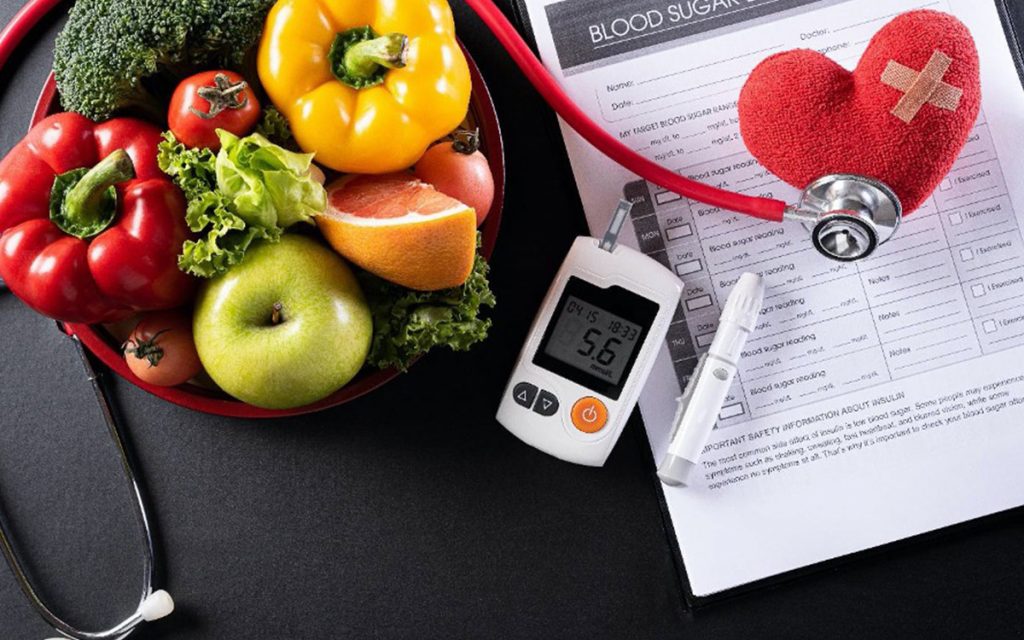
Despite the widespread impact of malnutrition on the world, there is very little evidence to support effective treatment. Studies are inconsistent and have different results, making it difficult to decide whether one approach is the best. In order to improve the effectiveness of treatment for malnutrition, we must increase our understanding of the causes of malnutrition as well as the most effective interventions.
Malnutrition treatment is the evaluation of patients by a healthcare professional. This includes recommendations for nutrition advice and feeding schedules. In addition, individualized approaches are necessary. Malnutrition treatment usually involves the involvement of a dietitian. It also involves the assessment of the individual's nutrient requirements. A comprehensive nutritional assessment will focus on the individual’s nutritional requirements and the severity of any nutritional deficit.
Also, a comprehensive nutritional assessment should address malnutrition's causes. Studies suggest that nutrition-sensitive interventions promote food security, sanitation, clean water, women's empowerment and social safety nets. They can also help to reduce malnutrition. They should also address the barriers to screening, treatment, and the obstacles faced by healthcare professionals.

Malnutrition treatment involves both individualized and comprehensive approaches. In some cases, individualized approaches may prove to be more effective. They can be challenging for patients. Patients may perceive themselves to be healthy and be dissuaded from engaging with weight gain interventions. An analysis of the costs of treating malnutrition against those of regular care revealed that malnourished people had longer hospital stays, unplanned admissions, and higher resource usage. Additionally, patients who are malnourished have higher healthcare costs per year.
A comprehensive approach to malnutrition treatment includes a range of professionals including doctors, nurses, dentists, social workers, and other therapists. This approach requires patients and caregivers to be involved. These factors make identifying the active component of a specific treatment difficult.
The incidence of malnutrition has been on the rise. Malnutrition is a growing problem among children under five years. Malnutrition is more prevalent in children under five years of age who are from developing countries, or those with low incomes and poor health. Malnutrition is also a common problem in older adults. Malnutrition may be due to a low dietary intake or a diminished ability to properly digest food. Malnutrition could also be caused due to medication, medical conditions and other nutrient absorption issues. Research is needed to determine the causes of malnutrition.
Because malnutrition affects both individuals and the health system, research on it is vital. We will discuss current treatment options for malnutrition and the knowledge gaps that still need to be filled. We also call for better harmonisation between study design and methodologies. Harmonization is a way to improve research quality and consistency, and allow for the pooling and sharing of patient data.
Malnutrition treatment programs should address the most serious causes. It is important to know how anorexia develops, especially if side effects of medication are involved. Awareness of malnutrition will increase if we have a better understanding about the causes.
FAQ
How much should I weigh for my height and age? BMI calculator and chart
Calculating your body mass index (BMI), is the best method to calculate how much weight to lose. The healthy BMI range for a healthy person is 18.5 to 24.9. Weight loss is possible if you aim to lose approximately 10 pounds per week. Simply enter your weight and height into the BMI calculator.
To see if you're overweight or obese, check out this BMI chart.
Do I need to count calories
You might be asking "What is the best diet?" or "is counting calories necessary?" Well, the answer depends on several factors including your current health status, your personal goals, your preferences, and your overall lifestyle.
The Best Diet For Me: Which One Is Right?
The best diet is dependent on my current health status, personal goals, preferences, and overall lifestyle. There are many diets out there, some good and some bad. Some diets work well for some people and others do not. What can I do to make the right choice? How can I make the right choice?
These are the questions this article will answer. It starts with a brief introduction of the different types of diets available today. Next, we will discuss the pros & cons of each kind of diet. We will then look at how to pick the right one for you.
To begin, let's take a quick look at the different types of diets.
Diet Types
There are three types, low-fat, high-protein, or ketogenic diets. Let's briefly discuss them below.
Low Fat Diets
A low fat diet is a diet that restricts the amount of fats consumed. This is done by reducing your intake of saturated oils (butter and cream cheese, etc.). These fats can be replaced with unsaturated fats like avocados and olive oil. People who are looking to lose weight quickly and easily will benefit from a low-fat diet. However, this kind of diet may cause problems such as constipation, heartburn, and indigestion. Vitamin deficiencies can also occur if the person doesn't get enough vitamins through their diet.
High Protein Diets
High protein diets discourage carbohydrates and encourage the use of proteins. These diets typically have more protein than other diets. These diets are designed to build muscle mass and help you burn more calories. They may not be able to provide sufficient nutrition for people who need it. Also, they tend to be very restrictive, so they aren't suitable for everyone.
Ketogenic Diets
The ketogenic diet is also known by the keto diet. They are high in fat, moderately high in protein, and low in carbohydrates. They are popularly used by bodybuilders, athletes, and others who want to be able to train harder and more efficiently without becoming tired. However, they must be used with caution to avoid nausea, headaches and fatigue.
What's the difference between a virus & a bacterium?
A virus can be described as a microscopic organism incapable of reproducing outside its host cell. A bacterium is a single-celled organism that reproduces by splitting itself in two. Viruses are very small (about 20 nanometers) while bacteria are larger (up to 1 micron).
Viruses can be spread by contact with bodily fluids containing infected substances, such as saliva, urine and semen. Bacteria can easily be spread from direct contact to contaminated objects and surfaces.
Viruses can get into our bodies through cuts and scrapes on the skin, bites or other injuries. They can also be transmitted through the eyes, nose, mouth, ears, vaginal, rectum, and anus.
Bacteria can be introduced to our bodies by cuts, scrapes or burns. They may also come into our bodies through food, water, air, soil, dust, or animals.
Both bacteria and viruses cause illness. But viruses do not have the ability to multiply within their hosts. So they only cause illnesses when they infect living cells.
Bacteria can spread within the host and cause illness. They can invade other areas of the body. They can even invade other parts of the body, which is why antibiotics are necessary to eradicate them.
What can I do to boost my immune system?
Human bodies are made up of trillions upon trillions of cells. Each cell is responsible for creating organs and tissues with specific functions. A cell that dies will be replaced by another. Chemical signals, called hormones, allow cells to communicate with each other. Hormones regulate all bodily functions from growth and developmental to metabolism and immunity.
Hormones are chemical substances that glands secrete throughout the body. They travel through the blood stream and act like messengers to control how our bodies function. Some hormones can be produced within the body while others can be made outside.
The hormone-producing glands release their contents into bloodstream. This is when hormone production starts. Once hormones have been released, they travel through the body to their intended organ. Sometimes hormones stay active for only a short time. Some hormones remain active for longer periods of time and can continue to have an impact on the body's function long after they are gone.
Some hormones may be produced in large numbers. Others are made in very small amounts.
Some hormones only are produced during certain periods of life. Estrogen is one example. It's produced in puberty, pregnancy and menopause. Estrogen aids women in developing breasts, maintaining bone density and preventing osteoporosis. It is also known to promote hair growth and keep skin soft and smooth.
What makes an antibiotic effective?
Antibiotics are medications that kill harmful bacteria. Antibiotics are used for treating bacterial infections. There are many kinds of antibiotics. Some are taken orally, some are injected, and others are applied topically.
Antibiotics can often be prescribed for people who have been infected with certain germs. An oral antibiotic might be prescribed to someone who has been exposed to chicken pox. This will prevent the spread of shingles. An injection of penicillin may be necessary to prevent pneumonia if someone has strep.
When antibiotics are given to children, they should be given by a doctor. Side effects of antibiotics can be more dangerous for children than for adults.
The most common side effect of antibiotics is diarrhea. Other side effects include dizziness, nausea and vomiting, dizziness, stomach cramps, dizziness, allergic reactions, dizziness, dizziness, stomach cramps, diarrhea, nausea, vomiting, allergy, headaches, dizziness, dizziness, dizziness, stomach cramps, and stomach cramps. Most of these symptoms disappear after the treatment is completed.
Which 10 foods are your favorite?
These are the top 10 foods to eat.
-
Avocados
-
Berries
-
Broccoli
-
Cauliflower
-
Eggs
-
Fish
-
Grains
-
Nuts
-
Oats
-
Salmon
What are 5 ways to live a healthy lifestyle?
These are 5 ways you can live a healthy and happy life.
A healthy lifestyle means eating right, being active, getting enough sleep, managing your stress levels, and having fun. Eating well means avoiding processed foods, sugar, and unhealthy fats. Exercise burns calories and strengthens the muscles. Get enough sleep to improve your memory and concentration. Stress management can reduce anxiety and depression. Fun is the key to keeping us healthy and happy.
Statistics
- nutrients.[17]X Research sourceWhole grains to try include: 100% whole wheat pasta and bread, brown rice, whole grain oats, farro, millet, quinoa, and barley. (wikihow.com)
- WHO recommends reducing saturated fats to less than 10% of total energy intake; reducing trans-fats to less than 1% of total energy intake; and replacing both saturated fats and trans-fats to unsaturated fats. (who.int)
- According to the 2020 Dietary Guidelines for Americans, a balanced diet high in fruits and vegetables, lean protein, low-fat dairy and whole grains is needed for optimal energy. (mayoclinichealthsystem.org)
- This article received 11 testimonials and 86% of readers who voted found it helpful, earning it our reader-approved status. (wikihow.com)
External Links
How To
27 Steps to a Healthy Lifestyle when Your Family Buys Junk Food
It is easy to eat healthy when you cook at home. It can be difficult to prepare healthy meals at home. This article will give you some tips on how to make healthier choices when eating out.
-
Select restaurants that offer healthy dishes.
-
Before you order meat dishes, make sure to order salads or vegetables.
-
Ask for sauces that aren't sweetened.
-
Avoid fried items
-
Ask for grilled meats, not fried.
-
Order dessert only if you absolutely need it.
-
After dinner, make sure you have something to eat.
-
You should eat slowly and chew well.
-
Take plenty of water with your meals.
-
You should not skip breakfast or lunch.
-
Include fruit and vegetables with every meal.
-
Use milk, not soda.
-
Try to stay away from sugary drinks.
-
Reduce the salt content of your diet.
-
You should limit how often you visit fast food restaurants.
-
Ask someone to come along if you are unable to resist temptation.
-
Do not let your kids watch too much TV.
-
Turn off the television during meals.
-
Drink no energy drinks
-
Take frequent breaks from your job.
-
Get up at a reasonable hour and do some exercise.
-
Get active every day.
-
Start small and progress slowly.
-
Set realistic goals.
-
Be patient.
-
Even if you don’t feel like it, find the time to exercise.
-
Positive thinking is key.