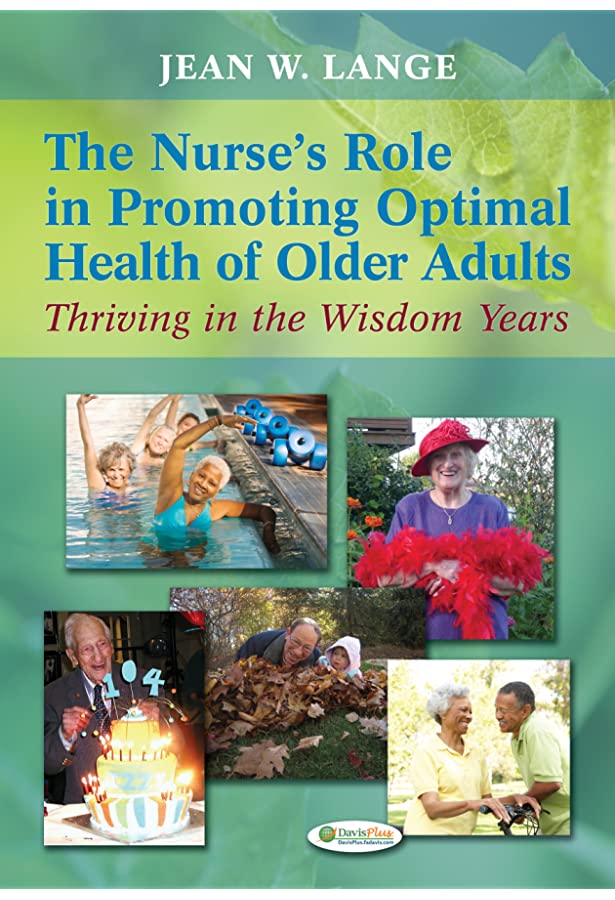
Senior fitness can be defined as the state of health and fitness of an individual in all areas, including strength, flexibility, cardiorespiratory, and flexibility. It improves cognitive and cardiovascular function and lowers the risk for many chronic diseases. Exercise can also help reduce stress and increase energy.
There are many options available for seniors to start exercising. You can either join a group or go home and work with a personal trainer. You should consult with your physician before you begin any type of exercise routine. Your physician will evaluate your current medical condition and recommend an appropriate program.
An ideal exercise regimen for seniors is one that includes a moderate amount of cardiorespiratory activity, strength training, and balance exercises. These will keep blood vessels from getting stiffer and help to maintain a healthy blood sugar. This is particularly important for seniors at high risk for stroke or heart disease.
Keeping fit is also a great way to avoid falls and other disabilities. Studies have shown that seniors who are active and stay healthy have a lower risk of developing diabetes and colon cancer. Exercise can help seniors lose weight as well as provide a way to connect with others.

Walking is a great way to be active and encourage a healthy lifestyle. Walking can lower your risk of getting diabetes and increase strength in the muscles around your joints. Walking can help you balance, which is an important part functional fitness.
Lunges and walking, which are weight-bearing activities, can help strengthen muscles and decrease the likelihood of osteoporosis. Do not do lunges without incorporating lateral movement. You can also use a chair to support you as you walk.
Another great idea is using resistance bands to exercise. They provide a simple, cost-effective, and user-friendly way to improve your overall fitness. Resistance band workouts are designed for all skill levels, and they can be done at home.
Many senior-friendly gyms and retirement homes offer group exercise classes. A group class can help seniors stay motivated and has the added benefit of being social. A group fitness class will help you keep on track with the support of your fellow members.
Other options for exercise are a variety of online programs, including the Walk At Home app. You can access a wide range of workout routines and personal monthly workout plans through the app. The app allows users to choose their state and city, as well as the type and location of the facility they wish to use.
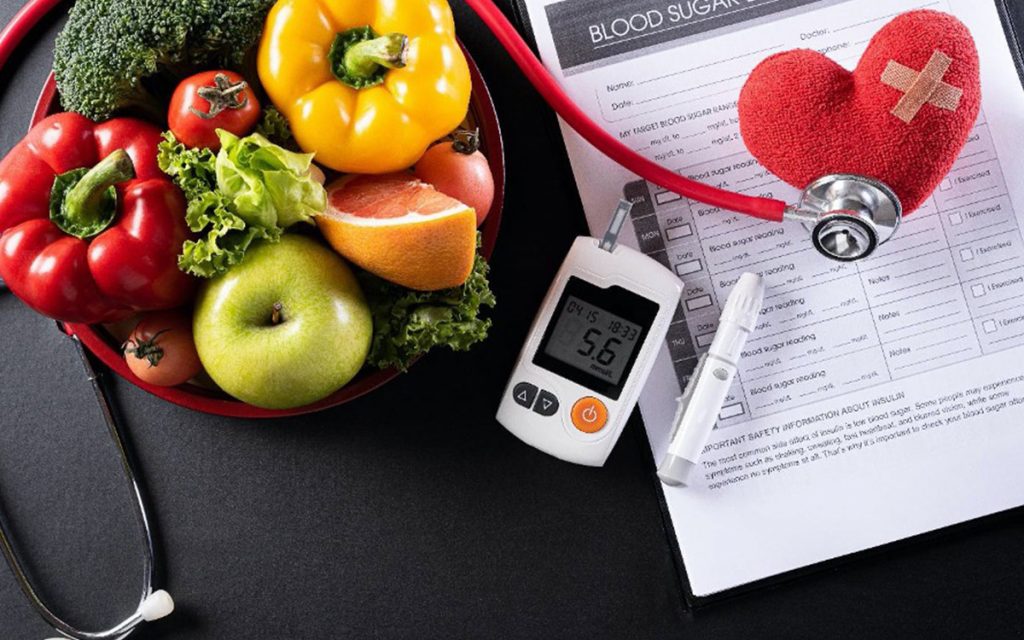
You can also contact a senior fitness specialist at your local health club, retirement community, or retirement home. A Senior Fitness Specialist can create a safe and effective exercise program.
All ages can benefit from exercise, but older people are more likely to be able to do them. Physical activity can increase energy levels, improve mood, and even boost metabolism.
FAQ
Which diet is best for me?
Your age, gender, body type, and lifestyle choices will all impact the best diet. Also, consider your energy expenditure, your preference for low-calorie food, and whether you enjoy eating fruits or vegetables.
Intermittent fasting is a good option if you're trying to lose weight. Intermittent fasting is a way to eat only certain meals during the day instead of three large meals. This method may work better than traditional diets which include daily calorie counts.
Studies have shown that intermittent fasting can improve insulin sensitivity and decrease inflammation. This could lead to lower blood sugar levels and a reduced risk of developing diabetes. Other studies suggest that intermittent fasting could promote fat reduction and improve overall body structure.
What does it take to make an antibiotic work?
Antibiotics are drugs which destroy harmful bacteria. Antibiotics can be used to treat bacterial infection. There are many different types of antibiotics. Some can be taken orally, others are injected and some are applied topically.
People who have been exposed are often given antibiotics. An oral antibiotic might be prescribed to someone who has been exposed to chicken pox. This will prevent the spread of shingles. An injection of penicillin may be necessary to prevent pneumonia if someone has strep.
If antibiotics are to be administered to children, they must be prescribed by a doctor. Children are at greater risk than adults for developing serious side effects from taking antibiotics.
The most common side effect of antibiotics is diarrhea. Other side effects possible include dizziness, nausea, vomiting, stomach cramps, stomach pains, dizziness and allergic reactions. These symptoms usually go away after treatment ends.
How can my blood pressure be controlled?
You must first determine the cause of high blood pressure. Then you need to take steps to reduce this cause. This could include eating less salt, losing weight if necessary, taking medication, etc.
It is important to ensure that you get enough exercise. Try walking if you don’t find the time.
Consider joining a gym if your current exercise regimen is not satisfying you. You will probably join a gym that is open to other people with similar goals. It is much easier to stick with a exercise program if there are others who will be watching you at the club.
Why is it so important to lead a healthy lifestyle
Having a healthy lifestyle helps us live longer, happier lives. Healthy eating habits, regular exercise, healthy sleep habits, stress management, and good sleep habits can help to prevent heart disease, stroke, diabetes, cancer, and other serious diseases.
Healthy lifestyles will help us to cope with daily stresses better and improve our mental health. A healthy lifestyle can also help you feel and look younger.
How can I get enough vitamins
The majority of your daily needs can be met through diet alone. Supplements are an option if you are low in any vitamin. Multivitamin supplements can be taken that contain all the vitamins you need. You can also buy individual vitamins in your local drugstore.
Talk to your doctor if there are any concerns about getting adequate nutrients. You can find vitamins K and E in dark green leafy vegetable such as spinach, kale and turnip leaves, as well romaine lettuce and arugula.
Ask your doctor to help you determine the right amount of vitamin. Your medical history and your current health status will help you determine the best dosage.
Is being cold good for your immune system.
Cold weather can cause a decline in your immune system. Your body makes less white blood cell to fight infection. Being cold can make you feel more comfortable because your brain releases endorphins which help reduce pain.
What is the difference of a virus from a bacteria?
A virus is a microscopic organism which cannot reproduce outside of its host cell. A bacterium is a single-celled organism that reproduces by splitting itself in two. Viruses are very small (about 20 nanometers) while bacteria are larger (up to 1 micron).
Viruses spread easily through contact with bodily fluids infected, including saliva and urine, semen, vaginal secretions or pus. Bacteria can easily be spread from direct contact to contaminated objects and surfaces.
Viruses can enter our bodies through cuts, scrapes, bites, or other breaks in the skin. They can also get into the skin through the nose, mouth and eyes, ears as well as through the rectum, rectum and anus.
Bacteria may enter our bodies through cuts and scrapes on our skin, burns, insect bites, and other wounds. They may also be introduced into our bodies through food and water as well as soil, dirt, dust, and animals.
Both bacteria and viruses can cause illness. But viruses do not have the ability to multiply within their hosts. Infecting living cells is what causes them to become sick.
Bacteria can grow in their hosts and cause disease. They can spread to other parts of our bodies. That's why we need antibiotics to kill them.
Statistics
- WHO recommends reducing saturated fats to less than 10% of total energy intake; reducing trans-fats to less than 1% of total energy intake; and replacing both saturated fats and trans-fats to unsaturated fats. (who.int)
- This article received 11 testimonials and 86% of readers who voted found it helpful, earning it our reader-approved status. (wikihow.com)
- WHO recommends consuming less than 5% of total energy intake for additional health benefits. (who.int)
- According to the Physical Activity Guidelines for Americans, we should strive for at least 150 minutes of moderate intensity activity each week (54Trusted Source Smoking, harmful use of drugs, and alcohol abuse can all seriously negatively affect your health. (healthline.com)
External Links
How To
10 tips to a healthy lifestyle
How to live a healthy life
We live in a fast paced world, where we don’t get enough sleep and smoke cigarettes. We don't properly care for our bodies.
It can be very difficult to have a healthy diet, exercise routine, and work schedule when you do so many things simultaneously. Stress can make it more difficult if your mind is telling you that you cannot handle the situation anymore. This makes it all the more difficult.
If you feel like something is wrong with your body, then it probably is. Consult a doctor immediately to get his/her opinion on your current condition. If you find nothing unusual, it could be stress from your job.
People believe they are lucky because they can go to the gym every day or have friends who keep them fit. Those people are lucky. They don't have problems. They have everything under control. I wish all people could do the same. Unfortunately, many people are not able to balance their work and personal lives. Many people end up with bad habits which eventually lead to diseases such as heart disease, diabetes, cancer and many others.
Here are some tips that might help you to improve your lifestyle:
-
Sleep well - at least 7 hours per night, maximum 8 hours. This means sleeping properly and not consuming caffeine in the hour before bed. Caffeine blocks the production of melatonin hormones and makes it harder to fall asleep. Make sure your bedroom's dark and clean. Blackout curtains are a must, especially if you work late at nights.
-
Good nutrition is key to a healthy lifestyle. Avoid sugar products, fried foods and white breads. Fruits, vegetables, whole grains and whole grains are good options for lunch. Afternoon snacks are recommended to be rich in protein and fiber, such as nuts, seeds, beans, fish and dairy products. Avoid snacking on unhealthy foods like chips, candy, cookies, cakes, and sodas.
-
Drink plenty of water - Most of us don' t drink enough water. Water helps us burn more calories and maintains our skin's youthfulness. It also flushes toxins out of our bodies and improves our digestion. Six glasses of water daily can help you lose weight quicker. You can check the color in your urine to see how well you are hydrating. Yellow is dehydrated. Orange means mildly dehydrated. Pink means normal. Red means overhydrated. Clear means extremely-overhydrated.
-
Exercise – Regular physical activity is proven to improve energy levels, reduce depression, and even help you feel happier. Walking can be an easy way to improve your mood. Walking is easy, but it takes effort and concentration. Your brain must be able to focus on the act of walking while you breathe slowly and deeply. A 30-minute walk for 100 to 150 calories can be burned in 30 minutes. Slowly increase the pace. Stretching after exercise is important to avoid injury.
-
Positive thinking is crucial for mental health. If we are positive, we create a happier environment in our minds. Negative thoughts drain our energy and cause anxiety. Focus on what you want and do the things that will keep you motivated. You can break down all the tasks into smaller pieces if you feel overwhelmed. Be aware that you will fail at times, but don't despair. Just get back up and start over.
-
It is important to learn how to say no. We are often so busy, that we don't realize how much time we spend on unimportant tasks. It is important to be able to say No when needed. Being polite when you say "no" does not mean that you are rude. You are simply saying "no" to something. There will always be another way to do the job. Try to set boundaries. Ask someone to help. Delegate the work to someone else.
-
Take care of your body - Keep track of your diet. Healthy eating habits will increase your metabolism and help you lose weight. Don't eat too much oily or heavy foods as they tend to increase cholesterol levels. Good advice is to have at least three meals and two snacks per day. You should consume around 2000 - 2500 calories per day.
-
Meditation can be used to reduce stress and anxiety. Relax your mind by sitting still with closed eyes. This will help you make better decisions. Meditation regularly can make you happier and calmer.
-
Don't skip breakfast - Breakfast is the most important meal of the day. Skipping breakfast can lead you to overeating at lunch. As long as you have breakfast within one hour of waking up, it is not too late. Breakfast boosts energy and helps to manage hunger.
-
Healthy food is the best. Food can have a profound effect on our moods. Avoid junk food and food that contains artificial ingredients or preservatives. These foods make your body feel acidic, and can cause you to crave them. A variety of fruits and vegetables is rich in vitamins, minerals and other nutrients that can help improve overall health.
-
***