
The problem of nutrition-related diseases continues to be a significant public health concern. One in five deaths around the world is due to a poor diet. The changing healthcare system has seen a shift in how it treats patients due to the epidemic of diet-related chronic diseases. While there is an increasing emphasis on the delivery of interventions that use food as therapeutic modality, more research is needed to support this approach.
Integrating nutrition and food interventions offers great promise in meeting both immediate and long-term nutrition needs. One of the key issues is the rise in non-profits that contract with our healthcare system for these interventions. As such, they face significant challenges, particularly in terms of sustainable funding.
Furthermore, our current dietary recommendations were derived from population averages. Our individual needs might be different. Our brain is highly sensitive to dietary changes. Personalized databases can help us make better food decisions by using a personalized approach. These databases can also be used to provide guidance on how we can change our lifestyles.
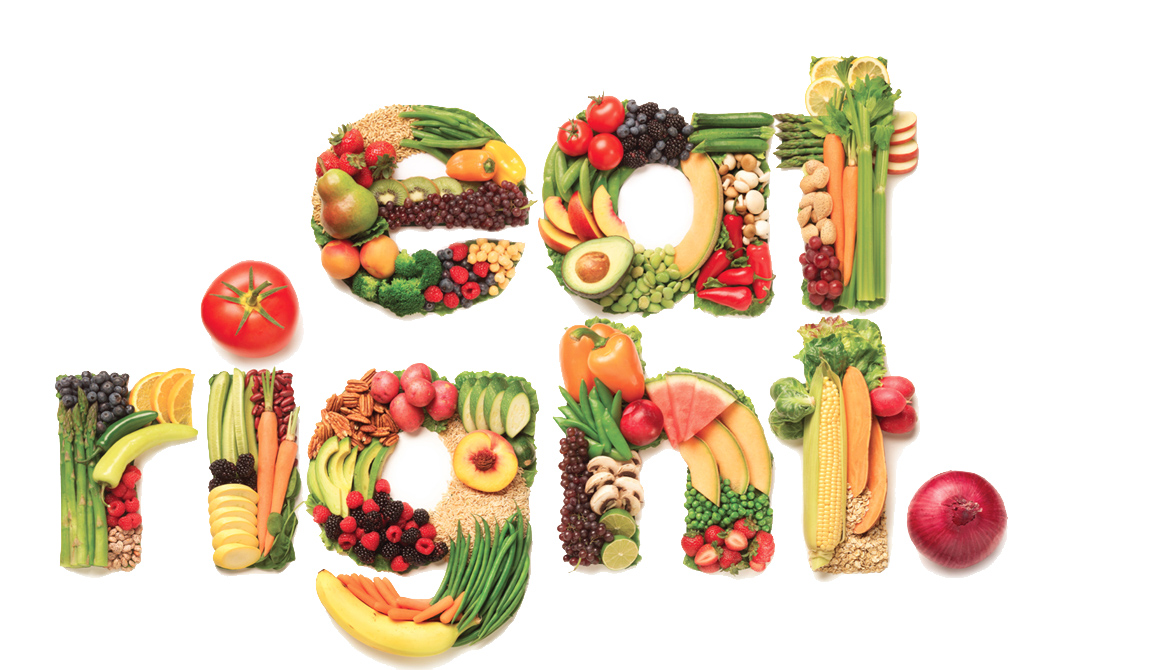
Personalized diets are a way to help prevent immune-mediated disorder. To prevent autoimmune diseases, more research is needed to determine how different components of a diet interact with the immune system. It is also important to identify immuno-metabolic centres that can help us develop new treatments.
Integration of molecular and cellular networks can activate immuno-metabolic mechanisms. This interface has been exploited in immune-oncology, where drugs such as PD1 blockers have been successful in translating into clinical therapies. Similarly, metabolic modulation of the immune system can lead to immunomodulatory strategies, which are important for the prevention and treatment of inflammatory and autoimmune conditions. Using this knowledge, we could develop new therapies for ulcerative colitis, Crohn's disease, and other immune-related illnesses.
In the past five year, Nutritional Immunology underwent significant transformation. Integrating high-dimensional -omics in a transdisciplinary approach to nutritional immunology will enable us to unravel the molecular mechanisms of immune- and metabolic processes, and to identify new therapeutic targets. Transdisciplinary studies have revealed new methods to treat Crohn’s disease and ulcerative Colitis by targeting the metabolic immune function.
In the last decade, brain function has seen a dramatic increase in nutrition. Brain tissue is vulnerable to inflammation, oxidative stresses, and fluctuations in blood flow. Nutrition is a critical component of brain disease.

Both nutrition and immunity are interrelated. Diet and metabolism have a direct impact on the development of immune function and longevity. Changes in metabolism and diet can also lead to the development of overt diseases. To prevent or reverse diet-related disorders, it is crucial to make changes in your eating habits.
Additionally, it is important to understand the functional properties of foods. Functional foods have been found to be effective in preventing nutritional-related diseases. Some nutrients, such as vitamin A, are recognized as compounds that have an immunological toleration property.
FAQ
How can I get enough vitamins
The majority of your daily needs can be met through diet alone. Supplements are an option if you are low in any vitamin. A multivitamin supplement can provide all the vitamins you require. You can also get individual vitamins at your local drugstore.
Talk to your doctor if there are any concerns about getting adequate nutrients. The best sources of vitamins K, E, and C are found in dark green leafy veggies such as spinach and broccoli, kale.
Ask your doctor if there is any doubt about how much vitamin you should be taking. Your health history and current condition will inform the doctor about the recommended dosage.
Exercise: Good and bad for immunity?
Your immune system is strengthened by exercise. Your body creates white blood cells, which are immune-boosting and fight infection. You also get rid toxins. Exercise helps prevent diseases like cancer and heart disease. It also reduces stress levels.
Exercising too often can cause your immune system to be weaker. Your muscles can become sore if you exercise too much. This can cause inflammation and swelling. To fight infection, your body will produce more antibodies. These extra antibodies can lead to allergies or autoimmune disorders.
So, don't overdo it!
Does cold make you weaker?
According to some, there are two kinds: people who love winter and people who hate it. But, regardless of whether you love or loathe winter, you might be wondering why it makes you miserable.
The reason is simple: Our bodies are meant to function best in warm conditions. Because of this, our bodies evolved to thrive and survive in hot climates.
We live in a very different environment than our ancestors. We spend a lot more time indoors, and are more likely to be exposed to extreme temperatures like heat and cold.
Our bodies don't have the ability to tolerate extreme conditions anymore. It means that when we do go outdoors, our bodies feel tired, sluggish even sick.
There are ways to combat these effects though. Keep your body hydrated. Hydration is key to keeping your body well hydrated, flushing out toxins and maintaining a healthy weight.
Also, ensure you eat healthy food. The best way to maintain your body's optimal temperature is by eating nutritious food. This is especially true for those who spend extended periods of time indoors.
Take a few minutes every morning to meditate. Meditation can relax your mind and body which can make it easier to deal stress and illness.
Statistics
- This article received 11 testimonials and 86% of readers who voted found it helpful, earning it our reader-approved status. (wikihow.com)
- According to the 2020 Dietary Guidelines for Americans, a balanced diet high in fruits and vegetables, lean protein, low-fat dairy and whole grains is needed for optimal energy. (mayoclinichealthsystem.org)
- WHO recommends reducing saturated fats to less than 10% of total energy intake; reducing trans-fats to less than 1% of total energy intake; and replacing both saturated fats and trans-fats to unsaturated fats. (who.int)
- The Dietary Guidelines for Americans recommend keeping added sugar intake below 10% of your daily calorie intake, while the World Health Organization recommends slashing added sugars to 5% or less of your daily calories for optimal health (59Trusted (healthline.com)
External Links
How To
Here are 10 tips to help you live a healthy life
How to live a healthy life
We live in an era where it is difficult to get enough rest, we eat too often, drink too much alcohol, and use cigarettes. We don’t take proper care of our bodies.
It can be very difficult to have a healthy diet, exercise routine, and work schedule when you do so many things simultaneously. Stress can make it more difficult if your mind is telling you that you cannot handle the situation anymore. This makes it all the more difficult.
You should feel something is wrong with you body. Ask your doctor for his/her opinion about your current situation. If there are no signs of something abnormal, stress from your job could be the cause.
Some people believe that their job allows them to exercise regularly, or they have friends who support them in staying fit. However, those people are really lucky. These people have no problems. They managed everything. I wish that everyone could be like them. Most people don't know how balance work and life. Many people have bad habits that lead to illnesses such as heart disease and diabetes.
These tips might help improve your lifestyle.
-
Get adequate sleep - 7 hours a day minimum, 8 hours maximum. This includes proper sleeping postures and avoiding caffeine in the hours before bed. Caffeine blocks the melatonin hormones making it hard to fall asleep. Make sure your bedroom's dark and clean. You should use blackout curtains if possible, especially if your work is late at night.
-
Eat well - Have breakfast every morning. Avoid sugary products, fried foods, white breads, and processed food. For lunch, try to include fruits, vegetables and whole grains. A good snack option for afternoon is to include protein-rich snacks like nuts, seeds, beans and dairy products. Avoid snacking on unhealthy foods like chips, candy, cookies, cakes, and sodas.
-
Drink lots of water. We don't have enough. Water is good for us. It helps us lose more calories, keeps the skin soft and youthful, improves digestion, and flushes out toxins. Drinking six glasses of water daily will help you lose weight faster. The best way to measure your hydration level is by checking the color of your urine. Yellow is dehydrated. Orange means mildly dehydrated. Pink means normal. Red means overhydrated. Clear means extremely-overhydrated.
-
Exercise - Regular exercise has been shown to reduce depression and increase energy levels. Walking is an easy workout that can also improve your mood. Walking is easy, but it takes effort and concentration. Your brain needs to focus on walking while breathing slowly and deeply. A 30-minute walk for 100 to 150 calories can be burned in 30 minutes. Slowly increase the pace. Do not forget to stretch after exercising to prevent injuries.
-
Positive thinking is vital for mental health. Positive thinking can create a happy atmosphere within us. Negative thoughts drain our energy and cause anxiety. Try to visualize the things you are aiming to achieve. Break down the tasks into smaller steps if you feel overwhelmed by all the new tasks. It is inevitable that you will fail. But don't worry, just keep trying and get back on track.
-
Learn to say no - We often get so busy that we do not even realize how much time we waste doing unimportant things. It is important that you learn to say no when necessary. Not saying "no" is rude. Saying No is simply saying that you cannot take care of something right now. You can always find other ways to complete the job later. You should set limits. Ask someone else to help you out. You can also delegate this task to another person.
-
Take care to your body. You can boost your metabolism by eating healthier foods. Don't eat too much oily or heavy foods as they tend to increase cholesterol levels. It is a good idea to eat three meals per day and two snacks each day. Around 2000 to 2500 calories should be consumed each day.
-
Meditate – Meditation is an excellent stress reliever that can also reduce anxiety. The best way to let your mind relax is to just sit still, with your eyes closed. This exercise will improve your ability to think clearly and help you make decisions. Meditation regularly can make you happier and calmer.
-
Breakfast is the most important meal in the day. Skipping breakfast can cause you to eat too much during lunch. You don't have to wait until noon to enjoy a healthy breakfast. Eating breakfast boosts your energy and helps you manage your hunger better.
-
Clean eating is key to a happy mood. Avoid junk food, artificial ingredients and foods that are high in preservatives. These products make your body acidic and will cause you to feel hungry. Fruits and vegetables are rich in vitamins and minerals that improve overall health.
-
***